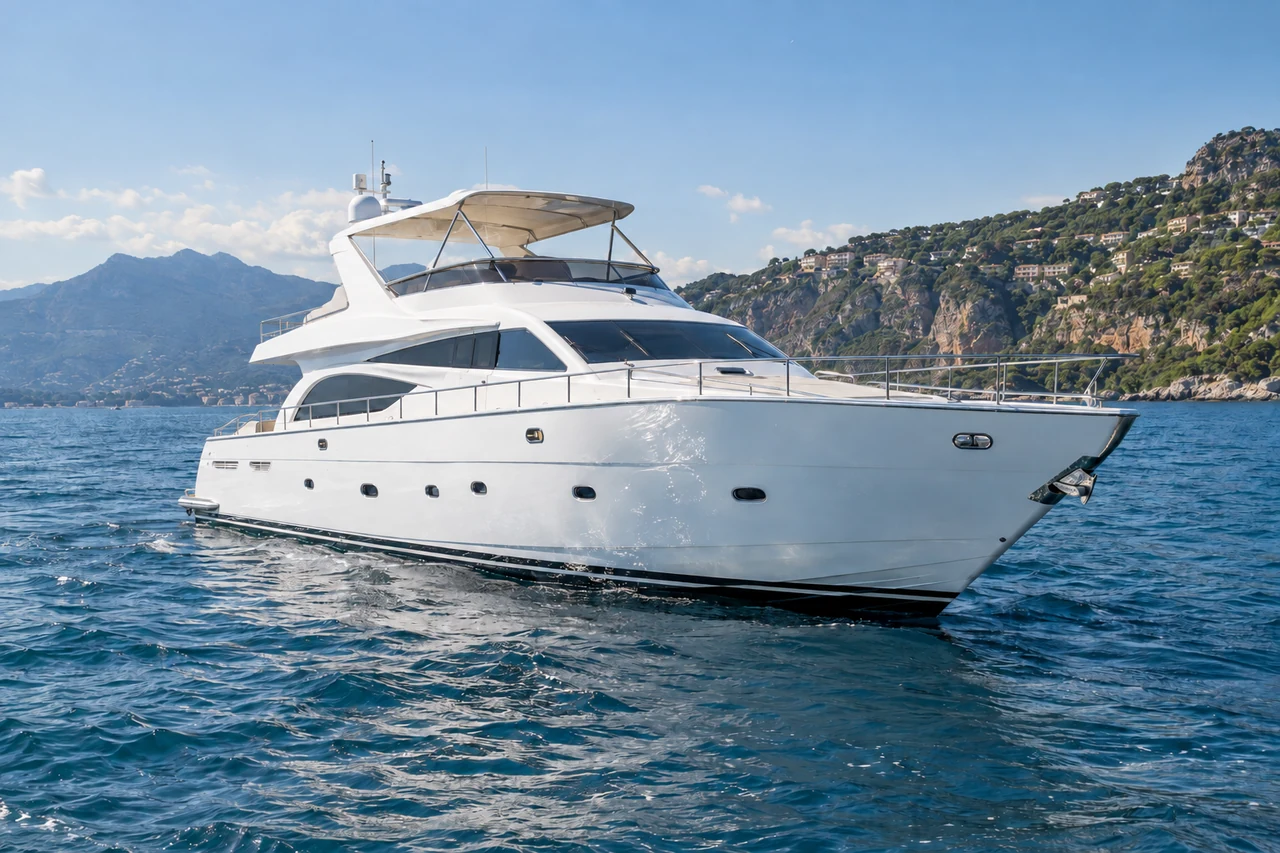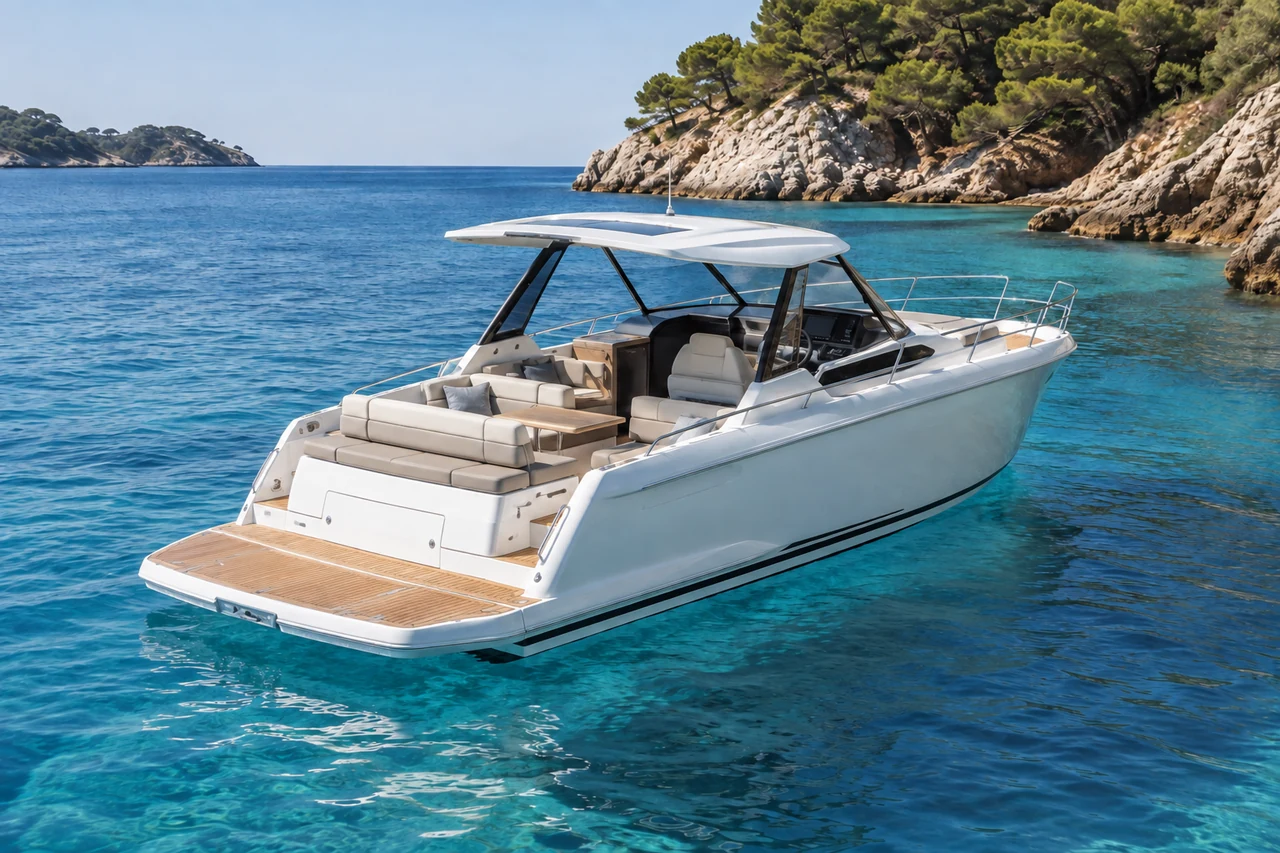
Match the boat to the outing
An open boat can suit guests who want an outdoor-focused trip, while a vessel with enclosed space answers a different need. Describe the activity first: coastal sightseeing, a swim when permitted or a direct private outing without a meal. We can then compare suitable formats rather than treating every boat as a smaller version of a yacht. Seating and the permitted guest limit need checking on the actual vessel.
Be specific about shade and facilities
Check how much seating has shade and whether there is an enclosed toilet or a place to change. A compact boat may prioritise open deck space over an interior, which can be welcome or inconvenient depending on your group. Mention children, bags and any access needs. Current images and a clear equipment list help you judge the boat by the time you will spend aboard, not just its profile.
Agree the operating arrangement
Tell us whether you expect a skippered trip and what experience, if any, you have in mind beyond being a passenger. Do not assume that boat rental means self-drive. The operator confirms how the selected vessel is offered, its departure point and the applicable requirements. Your quote should also identify the charter period, route scope and inclusions, with any activities or transfers listed when requested.
Describe the outing without starting with a boat name
A useful brief explains what your group expects to do. A private sightseeing trip with everyone seated, an afternoon that includes changing for a possible swim and an outing centred on photography need different practical arrangements. Add the facilities you consider essential and whether you want to bring food.
This is more informative than requesting the smallest or fastest boat. You can then compare suitable proposals by how the day would work aboard each one. If an open layout appeals, say why: being close to the view, staying together outside or keeping the outing simple may lead to different choices.
Look at seating in the position you will use it
Photos can emphasise the bow or an empty cockpit without showing where passengers sit during the proposed cruise. Ask which seats are intended for guests while the boat is moving and which areas can be used at other times. Everyone should understand the arrangement before choosing the vessel.
For a group hoping to chat throughout the outing, consider seat orientation as well as the number of places. A row facing forward creates a different social setting from seating around a table. If taking photographs is the main priority, discuss how that fits with the operator’s instructions for moving around the boat.
Keep shore plans independent of facilities aboard
If the boat has limited changing or storage space, you may prefer to prepare at the hotel and leave larger belongings there. That can make a short trip easier, provided the arrangement fits the rest of your day. Do not assume there will be somewhere at the departure point to leave luggage or change clothes.
Plan any meal ashore as its own booking and allow time to leave the boat before it starts. A straightforward boat trip can work well as part of a wider day out, but it should not depend on facilities that have never been included in the description.