Look at where you will sit
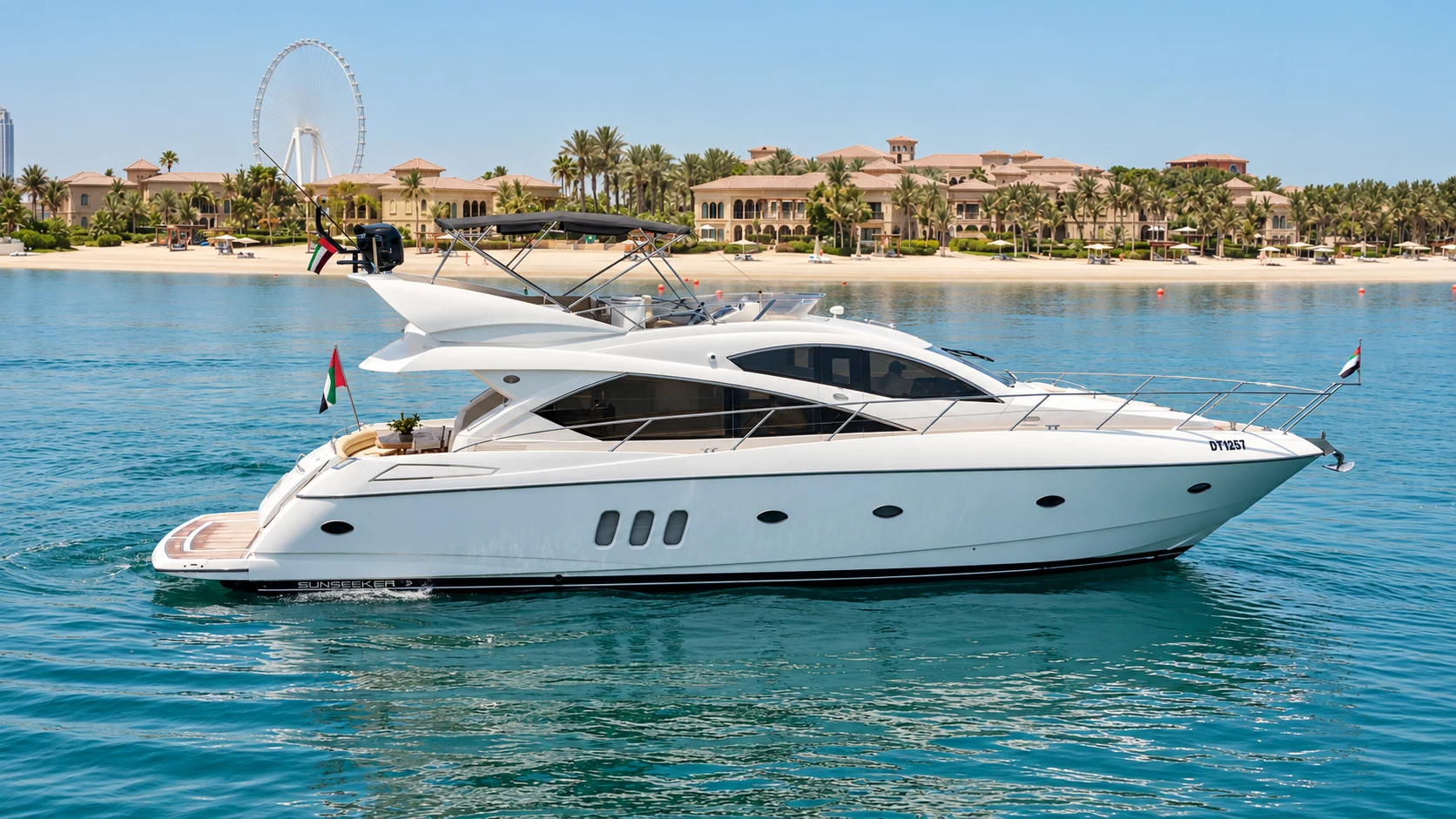
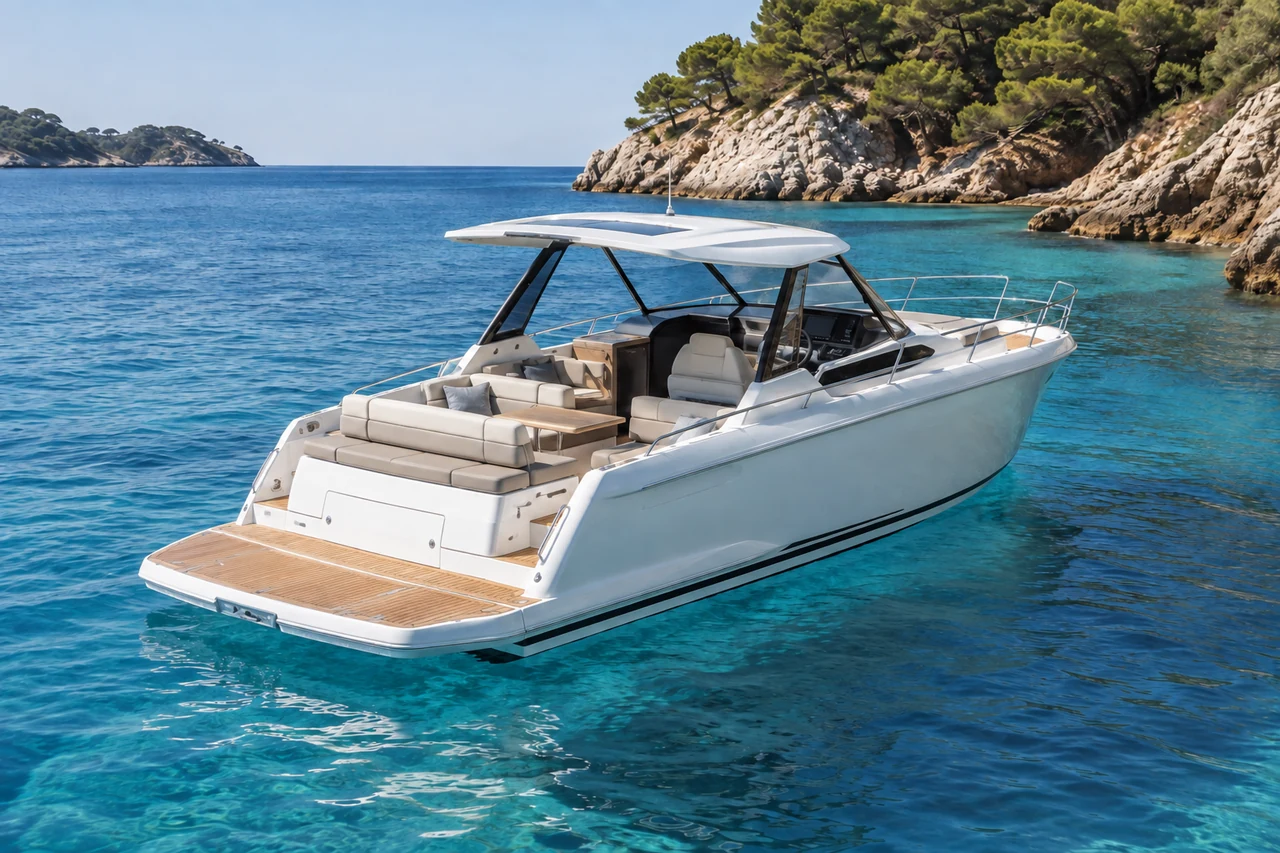
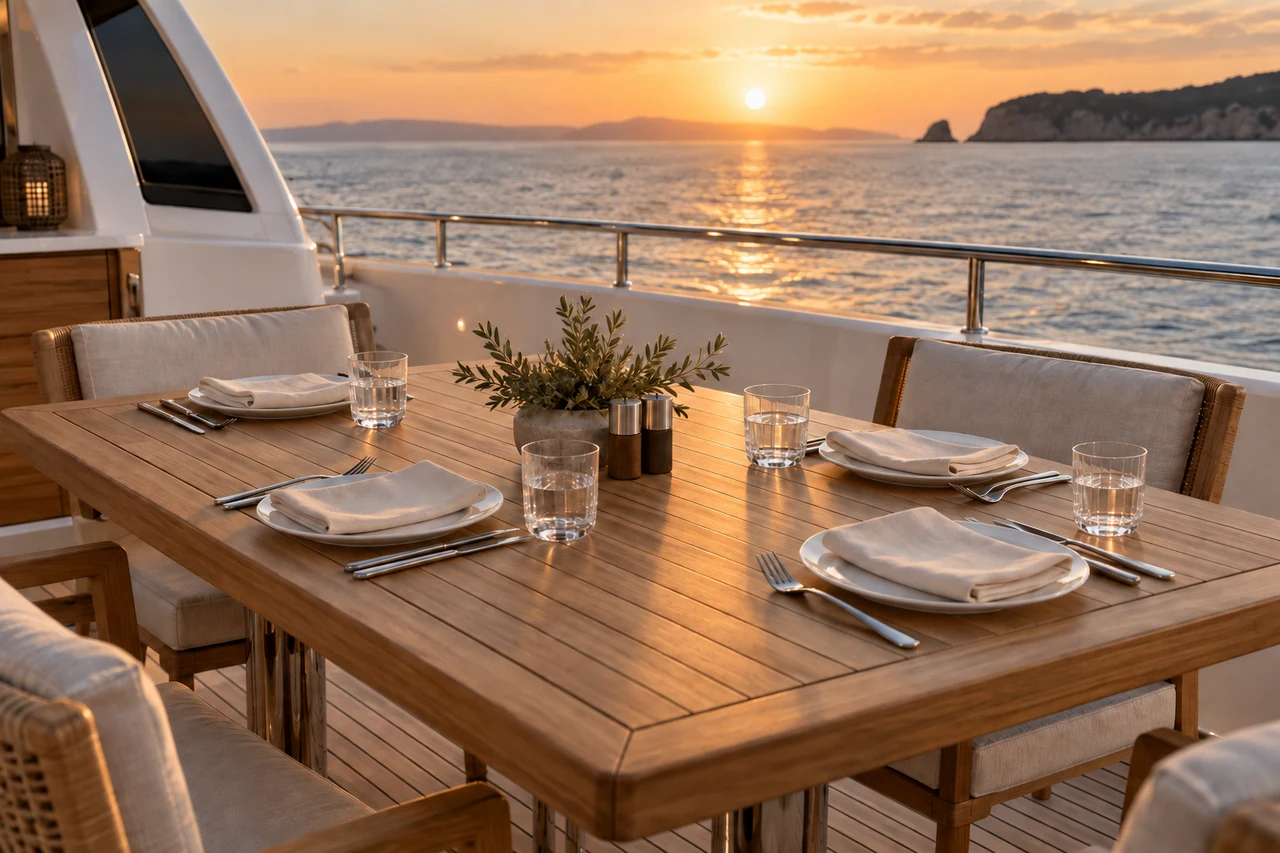
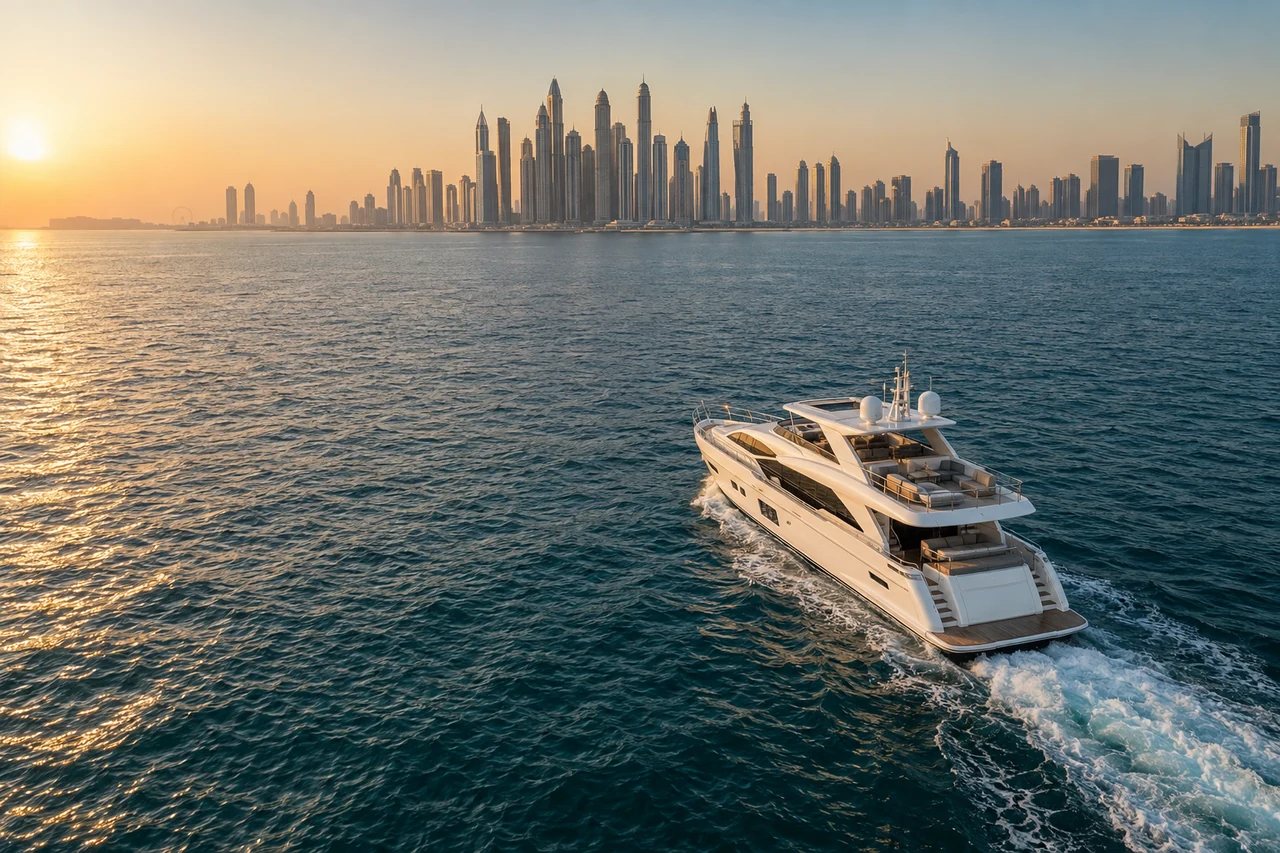
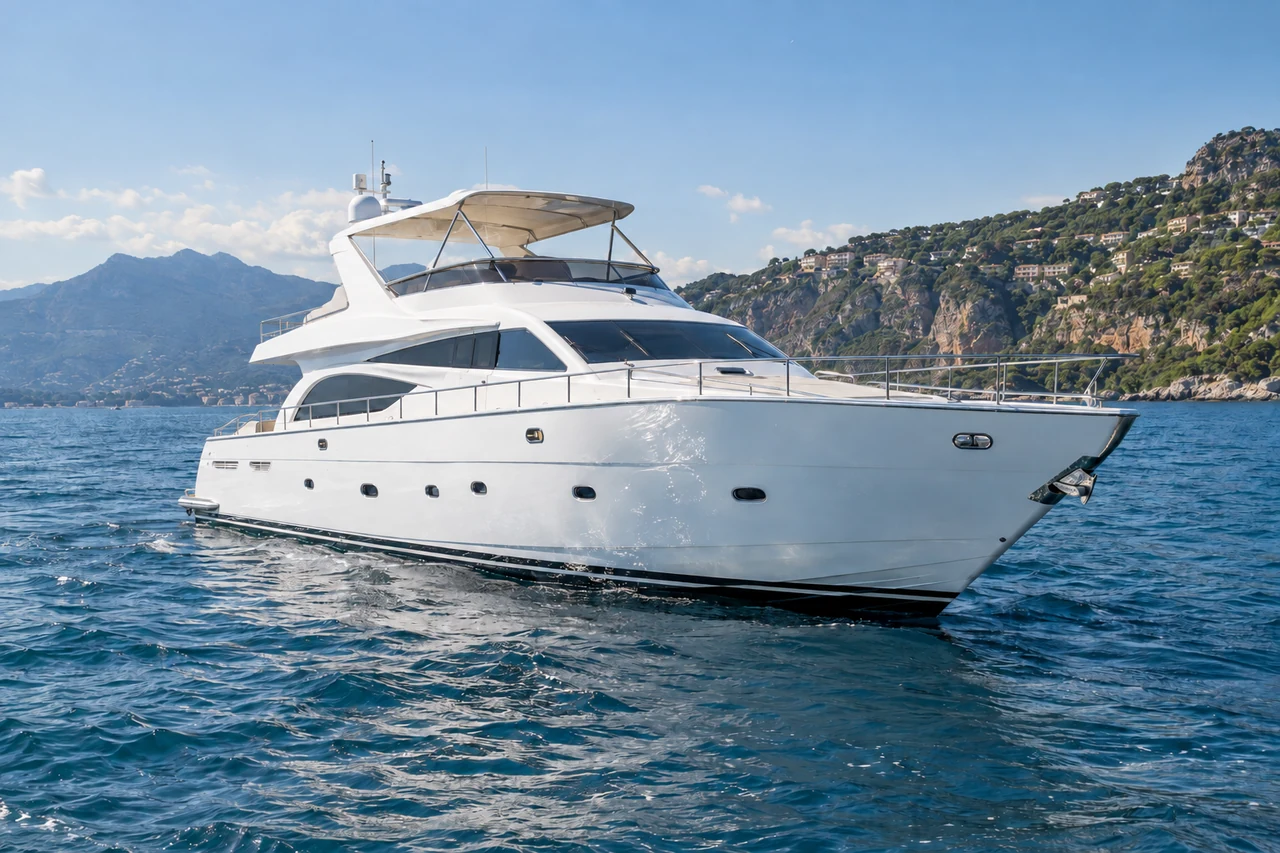
A photograph of the whole yacht says little about the seat you will use for most of the cruise. Look for a shaded area where the group can sit together and check whether the table suits your plans. Access between the cockpit, bow and interior matters too. If one guest would rather avoid steep steps, raise that before choosing a boat from exterior photographs.
Decide which facilities earn their place
For a short outing, you may value an open deck more than a large interior. For a longer day, an enclosed area, toilet and a practical place to change can matter much more. Ask about the actual facilities on the proposed vessel, including anything needed for children. A cabin in the layout does not by itself confirm that the yacht can be booked for an overnight stay.
Keep the plan proportionate
Small groups often have more freedom to choose a simple menu and an unhurried route. Tell us whether you want sightseeing, a quiet meal or a possible swim stop, and which takes priority. Bulky decorations or multiple suppliers can take up space quickly. Request the full cost of your preferred arrangement and compare it with a roomier option if comfort is more important than choosing the smallest boat.
Picture a normal hour aboard
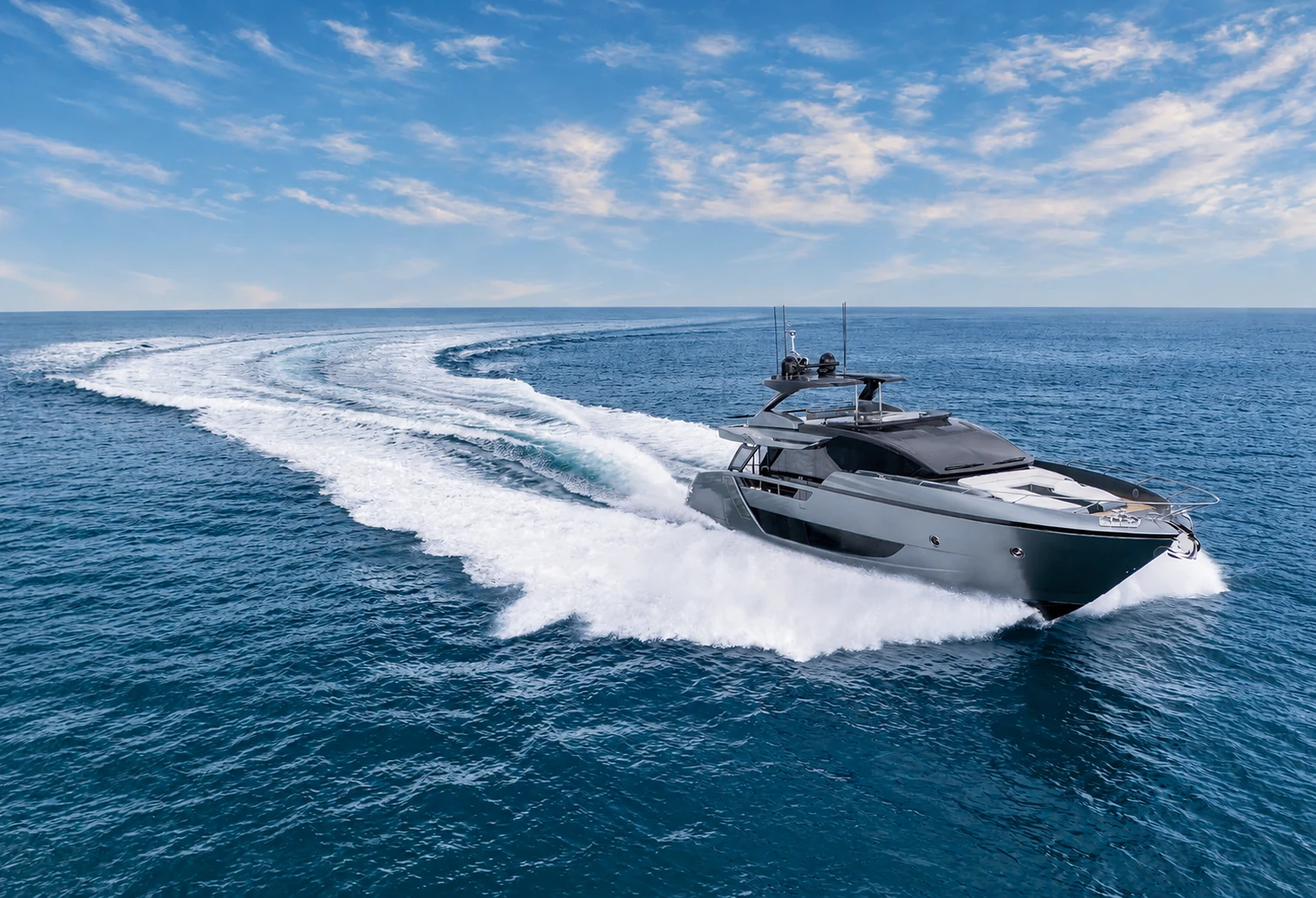
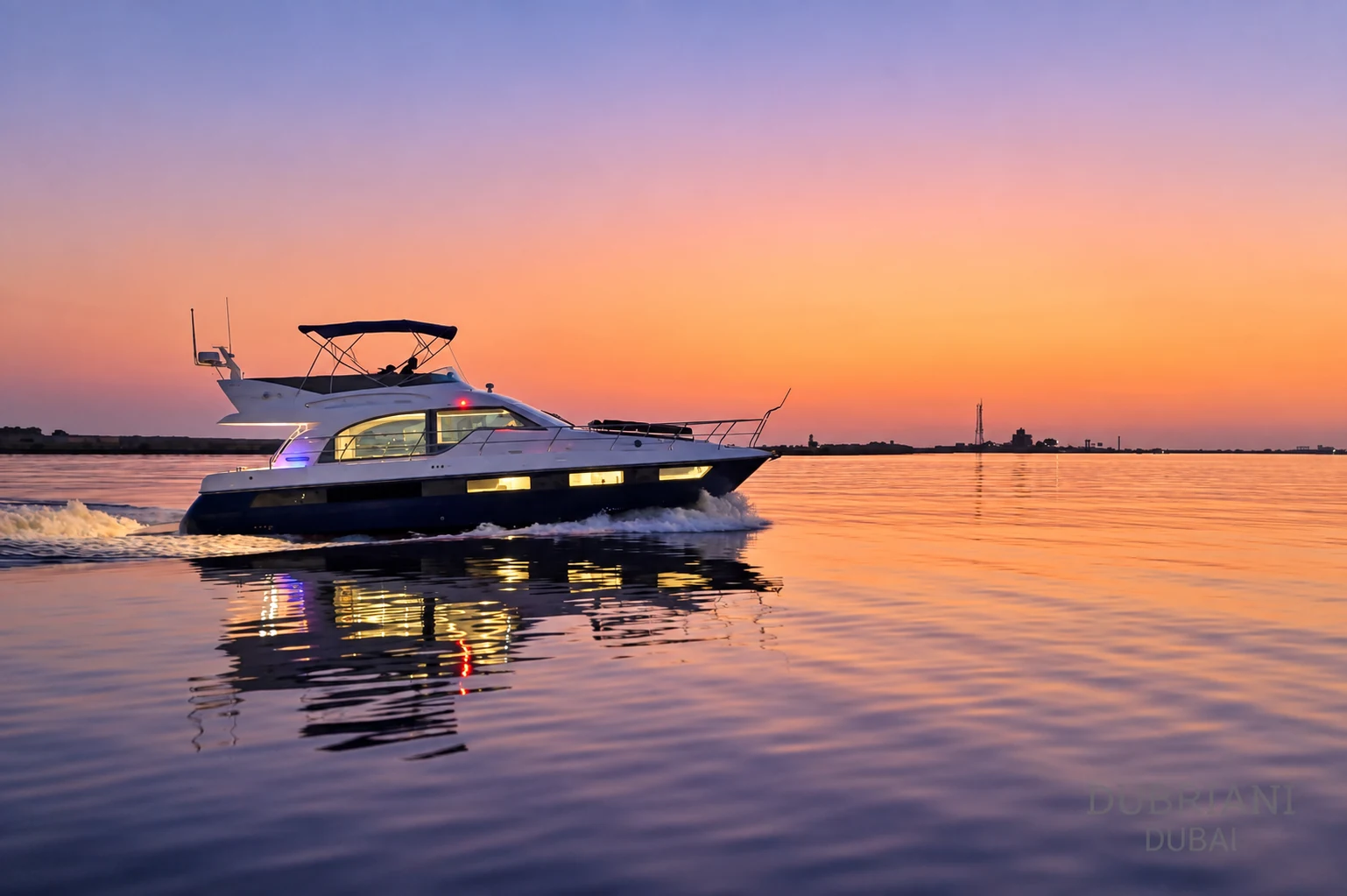
Imagine the boat after the first photographs are finished. Where will each person sit? Can you put down a drink, talk without changing seats and reach the toilet easily? These ordinary details tell you more about comfort than a dramatic picture taken from the bow.
Look at the seats you would actually use while cruising, not only sun cushions or spaces shown with furniture moved. Ask which areas remain accessible during different parts of the trip. If two guests want to relax while others take photographs, consider whether the layout supports both without everyone repeatedly getting up.
Bring less and choose it carefully
On a compact boat, luggage, coolers and decorations are part of the layout problem. A large bag can occupy the space you expected to use for seating or moving through the cockpit. Share any unusually bulky item before making a final choice.
Pack around the facilities that are actually included. If you are bringing swimwear, check where you can change and keep dry belongings. A small soft bag may be easier to place than a rigid suitcase, but the operator should describe suitable storage. Leave valuables you will not use somewhere secure ashore when you can.
Compare a compact yacht with a day boat
Both can serve a small private group, but they may offer very different ways to spend time on the water. An open day boat may appeal when everyone wants to remain outside; a compact yacht may be worth considering when enclosed space is important. Neither category guarantees a particular toilet, table or cabin arrangement.
Write a short list of facilities you would not want to do without, then compare the actual boats against it. This can reveal that a slightly roomier option suits the same group better, or that you do not need to pay for interior space you will barely use.