Getting in is only half the question
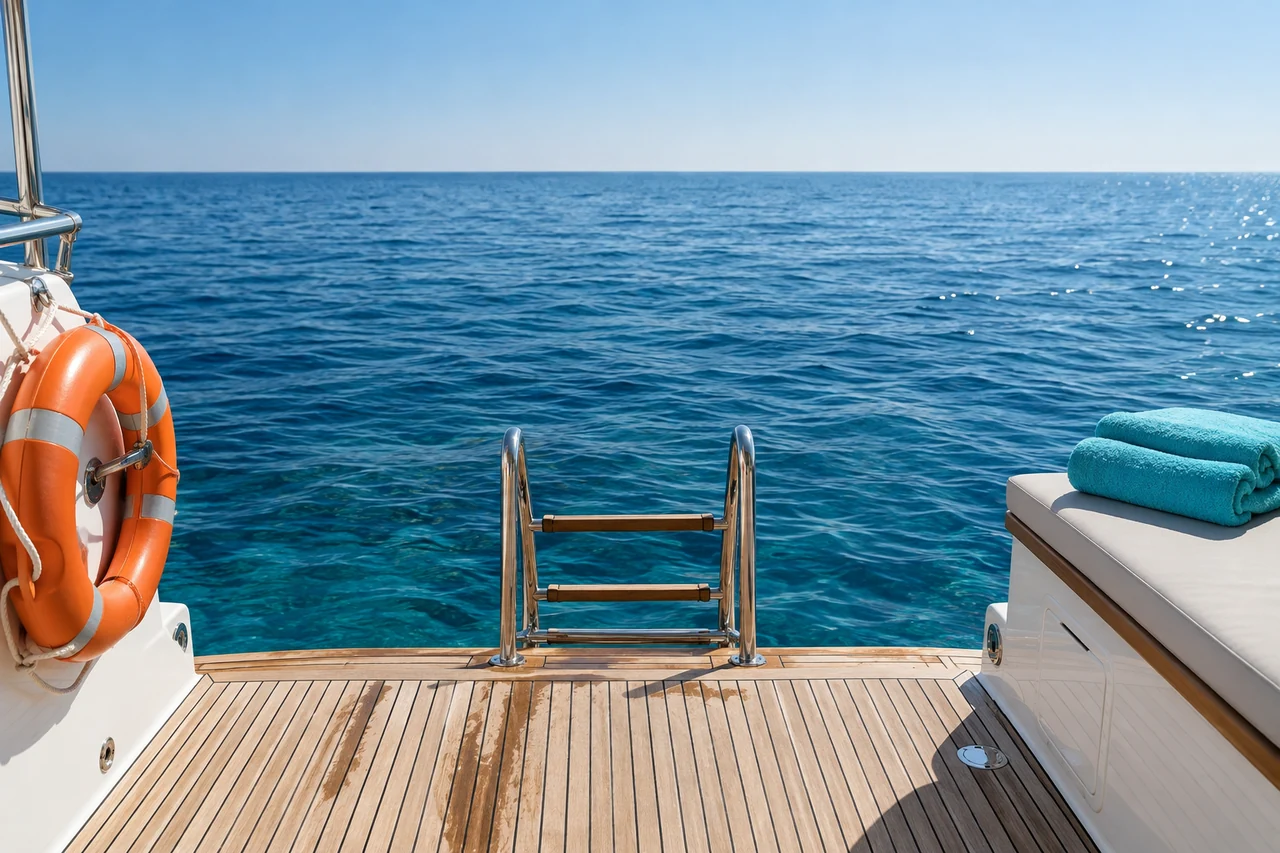
Ask how guests get back aboard. The ladder, platform height, handholds and any crew assistance affect the experience. Tell us about children, less confident swimmers and access needs before selecting the boat. Confirm the equipment supplied; a picture of water toys does not establish that they are included or usable during your charter.
Give the stop enough of the charter
Discuss the route from the actual berth, the time needed to reach a suitable area and the return. A short skyline cruise may leave little time for changing and swimming. Keep a meal and any other activity in the same schedule rather than adding each as though it uses no time.
Have a comfortable alternative aboard
Water and weather conditions can change the plan. Choose a boat where the group can also enjoy the time on deck if a swim is not possible. Check the booking terms for route changes and ask how the operator communicates the captain’s decision.
Give changing and the return their own time
A swimming stop includes getting ready, entering the water, taking turns at the ladder and drying off before the journey continues. Build those transitions into the requested duration. A group that all wants to change aboard may need a different arrangement from a few confident swimmers with dry clothes ready in a small bag.
Discuss the sequence with the operator, including when refreshments or a meal would be served. If the charter has a fixed return, a longer swim cannot simply replace the time needed to travel back. Choose the activity period with the whole outing in view.
Give non-swimmers an equally good outing
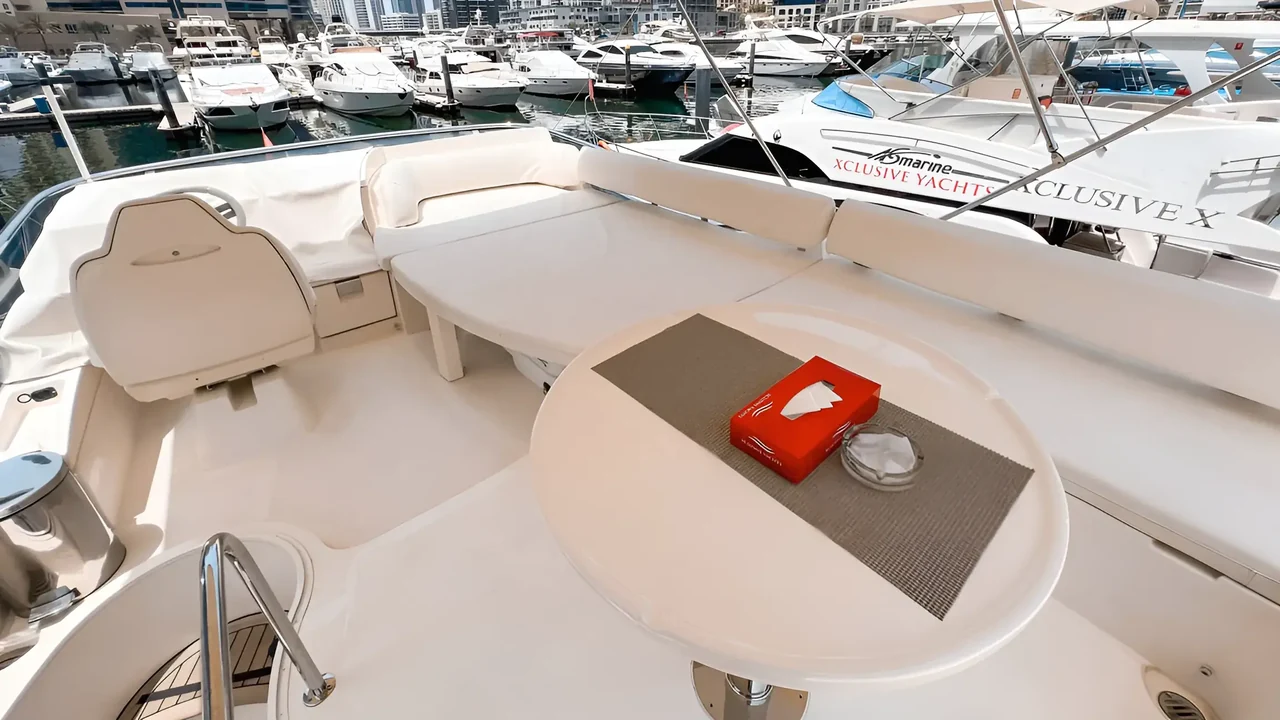
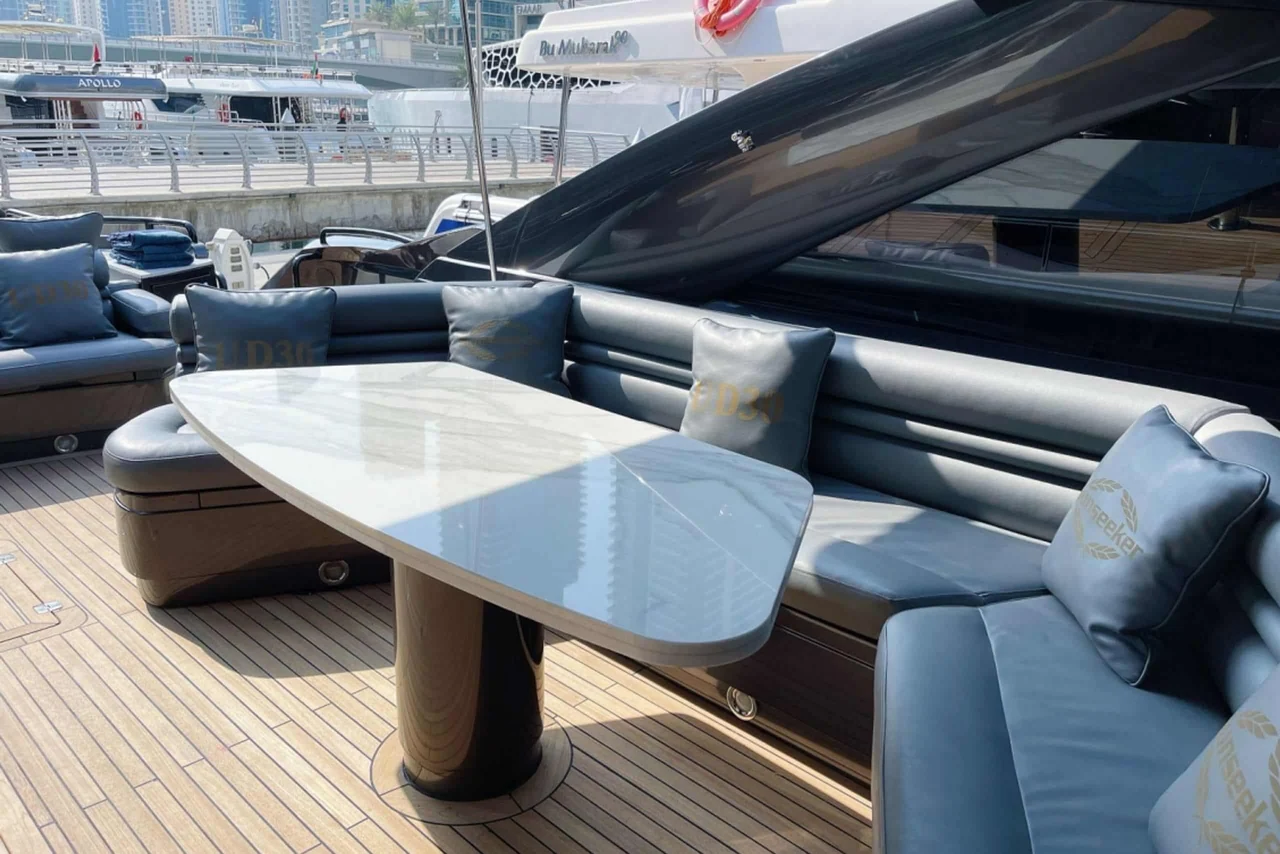
Some guests may prefer to stay dry, even when swimming is the main attraction for others. Look for a comfortable place where they can sit, enjoy refreshments and remain part of the group. Shade and an unobstructed conversation area can matter more to them than a large swimming platform.
Tell the team how many people expect to enter the water and how many will remain aboard. A group with mixed preferences might enjoy a coastal cruise followed by a swimming opportunity, if suitable, with a shared meal or photographs afterwards. Nobody needs to feel that declining to swim means missing the whole occasion.
Keep belongings and changing arrangements simple
Ask where guests can change and store dry clothing. Bring only what the outing needs, keeping phones, sunglasses and other small possessions organised. Wet bags spread across seating can make the return journey uncomfortable for everyone.
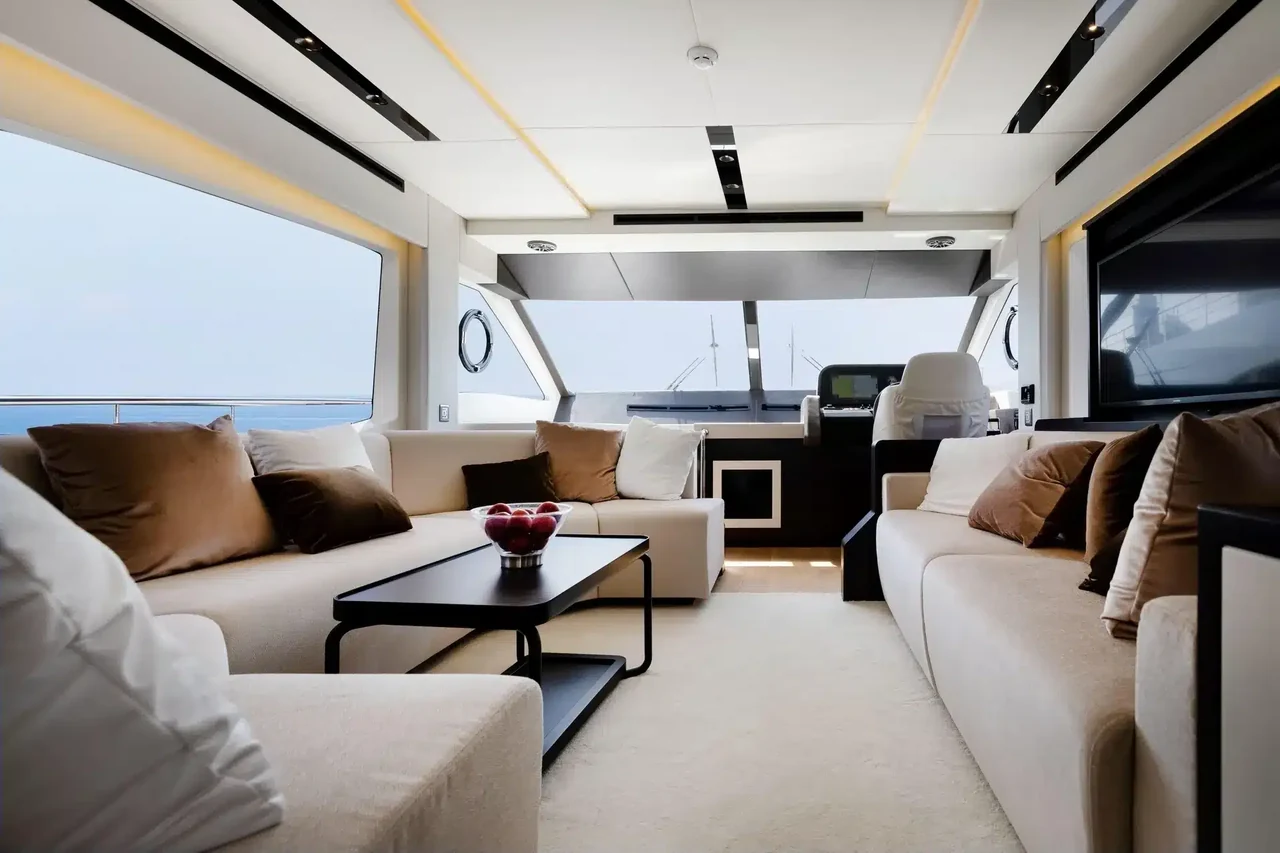
Confirm what the operator supplies before packing towels or other equipment. Avoid assuming that a cabin or shower visible in photographs is included for guest use. If several people need to change, allow for taking turns and decide whether changing aboard is practical for your group. These small arrangements have a large effect on how relaxed the outing feels.
Separate swimming from extra equipment
A request to swim does not automatically include water toys, instruction or another boat to support an activity. If the group wants a specific piece of equipment, name it when enquiring and establish who provides and operates it. The yacht's crew needs to assess whether the activity fits the vessel and planned outing.
Follow the captain's instructions on the day, including a decision not to stop for swimming. Keep a worthwhile alternative in the programme, such as time enjoying the coast and refreshments aboard. That gives the group something to look forward to even when entering the water is not offered.