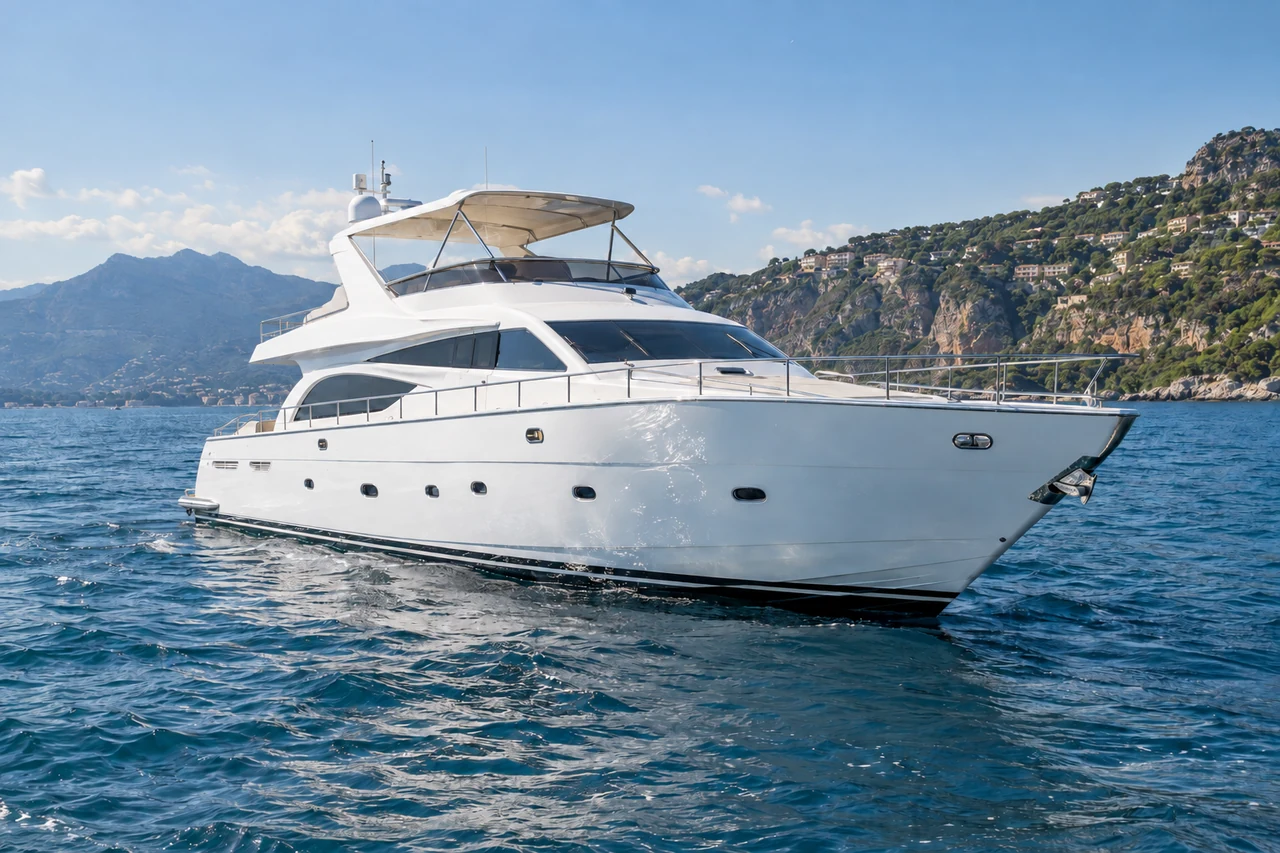
Check how the family will move around
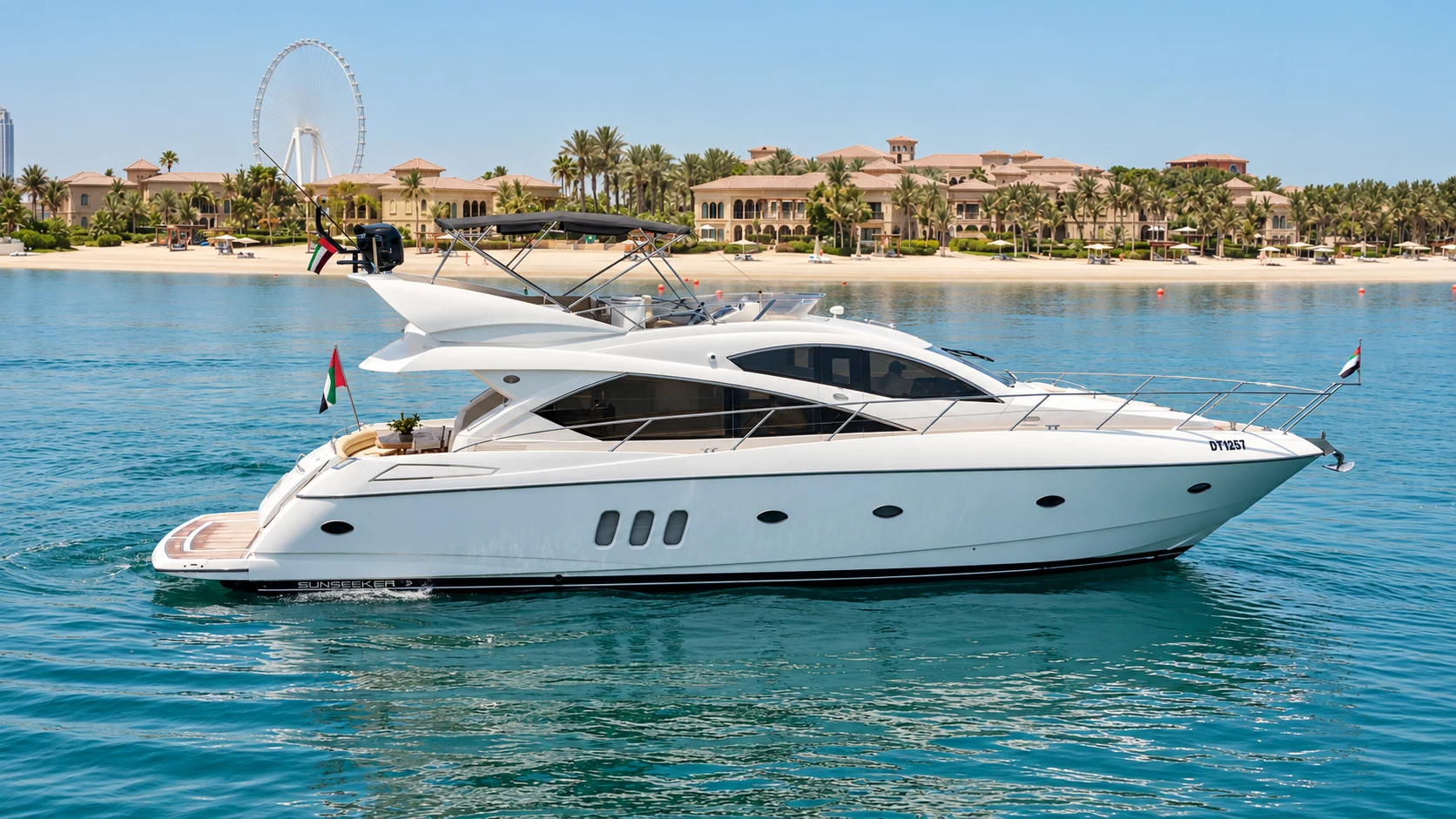
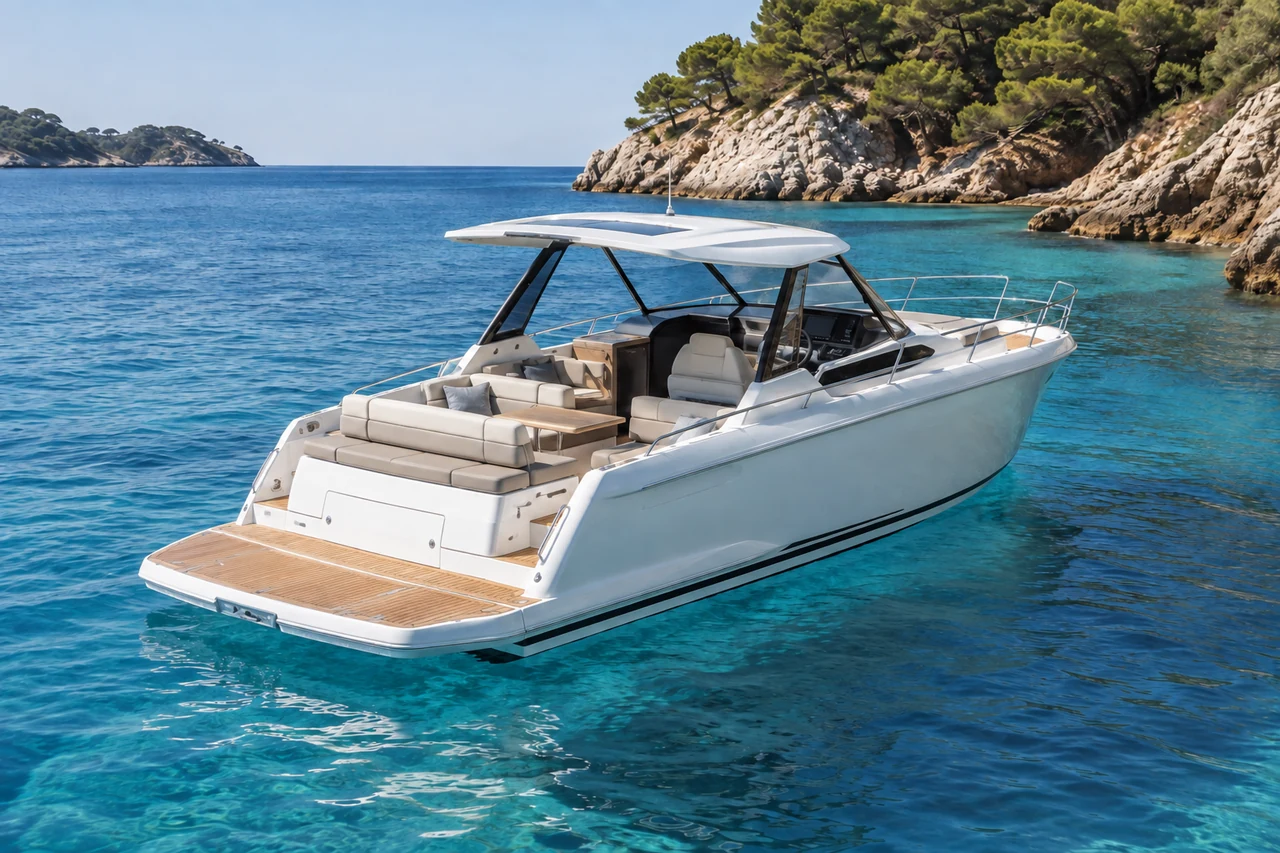
Ask about boarding, stairs, thresholds and the spaces available while underway. Photographs of the actual boat help you assess these details. Tell us if you need somewhere to keep a folded pushchair, change a child or take a quiet break. Confirm suitable safety equipment with the operator; age alone does not establish the right size.
Build the day around breaks
A coastal cruise with a meal may suit the group better than an ambitious sightseeing list. If swimming matters, discuss entry and exit from the water, the abilities of those taking part and the captain’s choice of a suitable location. Crew duties do not replace a parent’s or carer’s supervision.
Food and a clear return plan
Share allergies and meal preferences before catering is arranged, and ask the provider to confirm what they can accommodate. Keep drinks, meals and activity time within the same schedule. Mention any fixed commitment ashore so the proposed route leaves room for the return and disembarkation.
Plan for the youngest and oldest guest
A useful family brief starts with how people move and spend their day. A toddler who needs a quiet break, a teenager who wants photographs and a grandparent who avoids stairs may all be joining the same outing. Choose the boat around the needs that cannot easily be changed, then add activities that work for everyone else.
For example, a shaded main-deck gathering area may matter more than a large upper sun deck. Ask where adults can sit together while keeping younger children close, and whether reaching the toilet involves stairs. A broad age range is a reason to inspect the layout carefully, rather than simply requesting a bigger yacht.
Give the day a familiar rhythm
Children do not need a different activity at every moment. A simple sequence of settling aboard, looking at the waterfront, eating and having some quiet time can work better than a crowded itinerary. Tell the team when your family normally eats and whether anyone needs to leave by a particular time.
Bring familiar snacks if the operator permits them, and discuss where bags, spare clothing and a pushchair can be stored. Items left across seating or passageways make a compact boat feel smaller. Assign one adult to keep track of your family's belongings, so boarding and departure do not become a search for missing shoes.
Make food easy to share
A family menu should explain portions and service, not just list attractive dishes. Consider food that different ages can eat comfortably at the available table. A formal meal can be awkward if some guests need help eating while others want to move around.
Send dietary requirements in one written message, identifying the guest concerned and the restriction accurately. Ask the food provider what it can accommodate and how the meal will be served. Keep a separate list of preferences, such as sauce on the side, so essential dietary needs do not get lost among optional changes.
Agree who looks after each child
Adult supervision needs a clear arrangement throughout boarding, cruising and any permitted water activity. Being on a crewed yacht does not mean childcare is included. Parents or carers should agree responsibilities before everyone settles into different parts of the boat.
If one adult plans to swim or take photographs, another should explicitly take over looking after the children. Discuss any need for additional assistance with the operator before booking. The right arrangement depends on the family and vessel; avoid relying on an informal assumption that somebody nearby will notice.