One gathering space or several
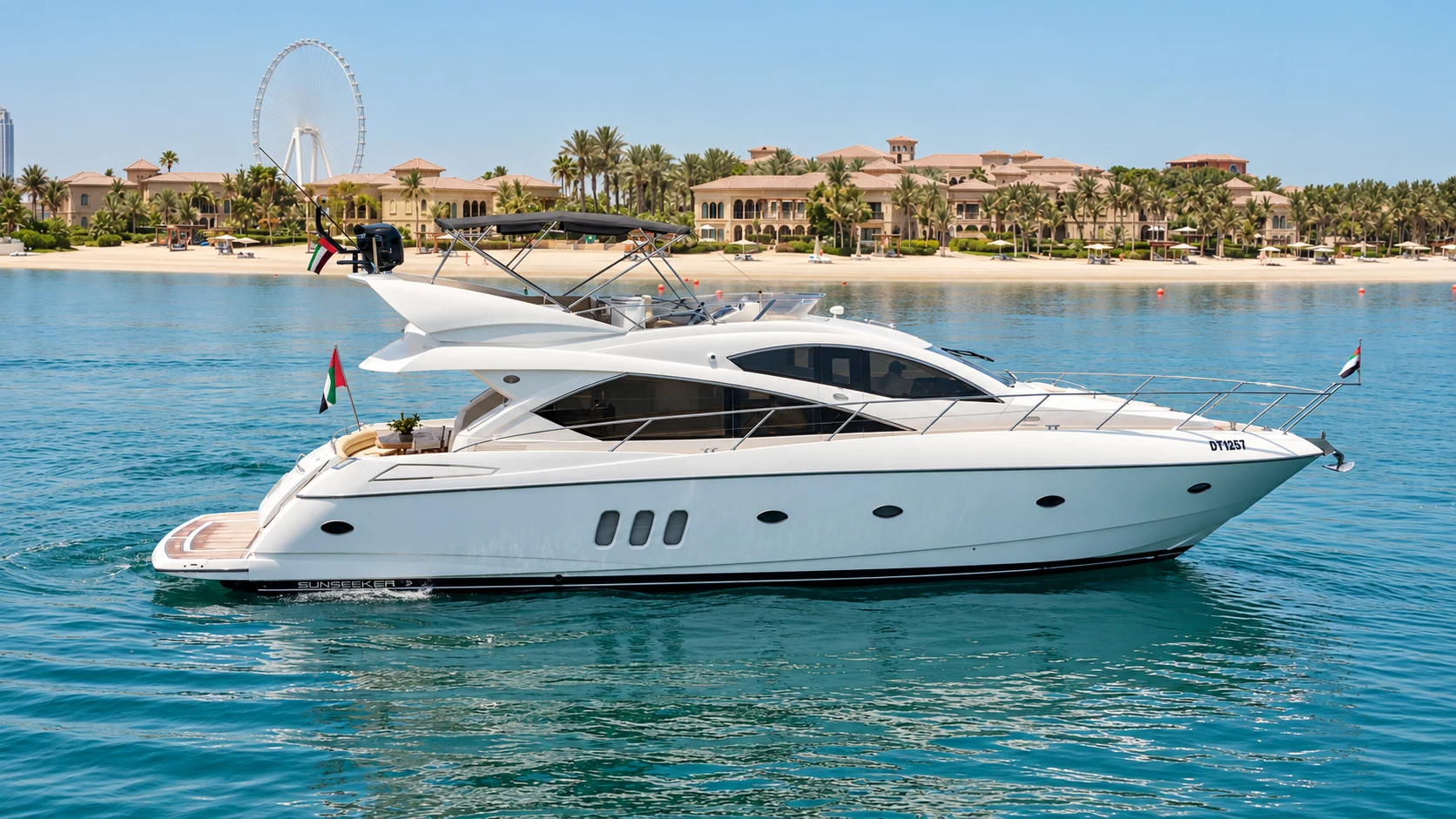
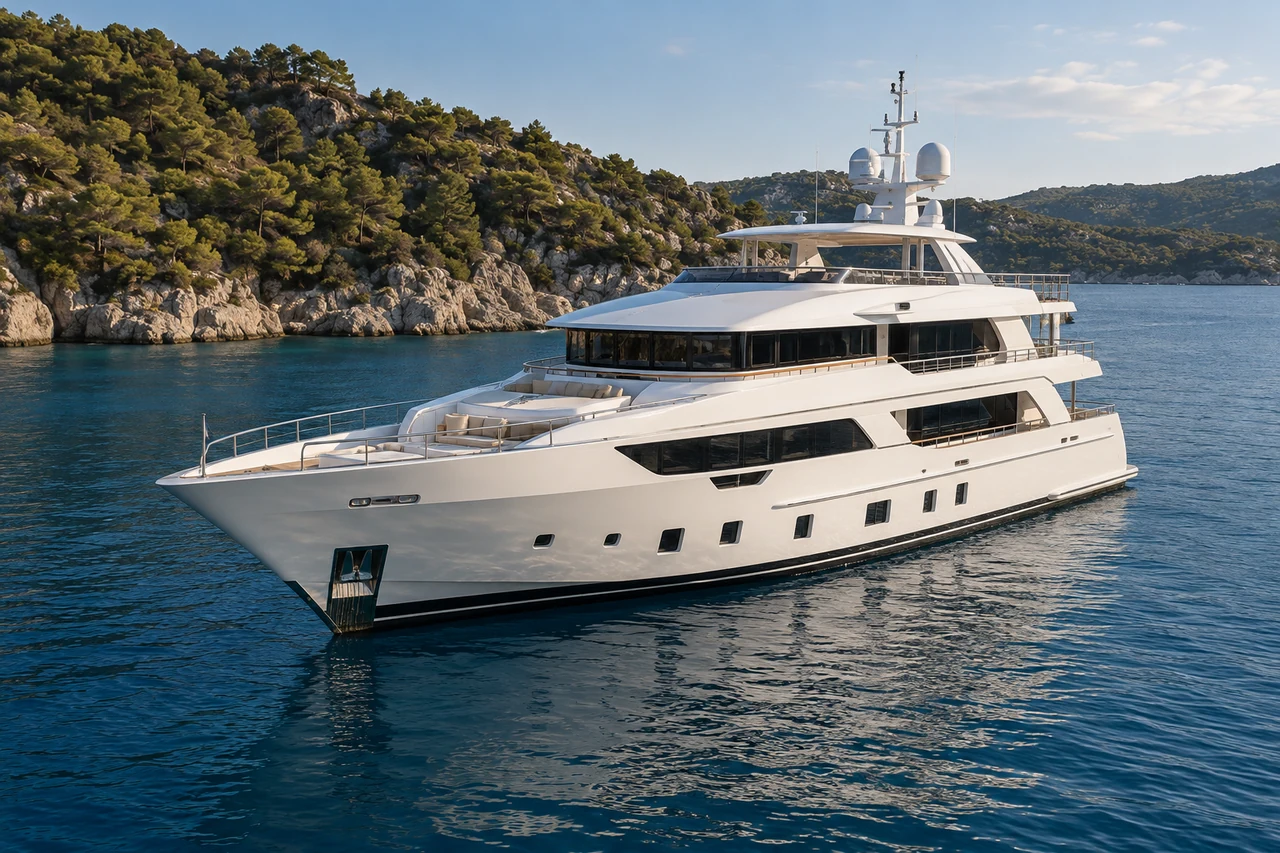
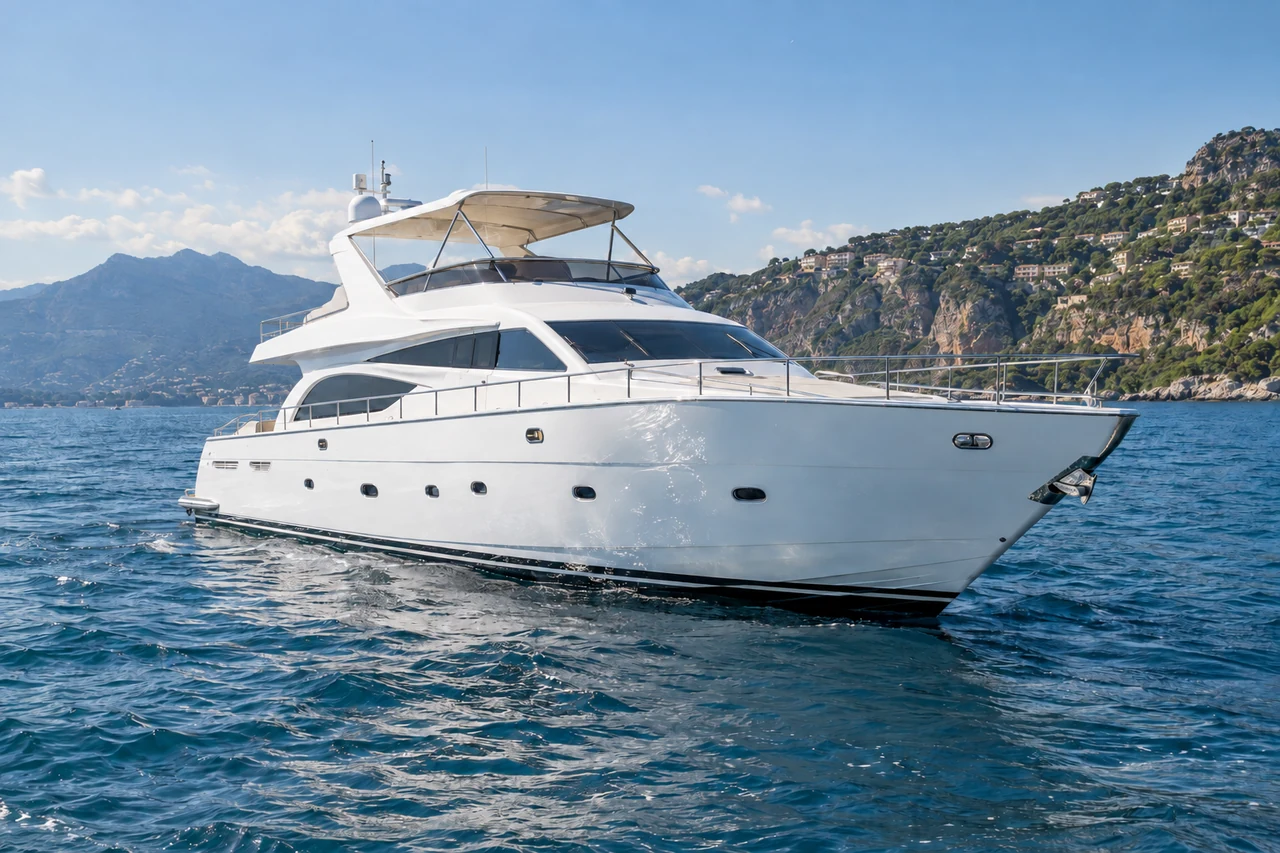
A flybridge and a separate bow lounge give a group different places to settle. They also put stairs between the spaces. A single shaded social area may suit your party better than more decks. Ask to see the dining table set for the number coming, and compare the route from the main seating to the toilets and boarding point.
Match the route to the charter
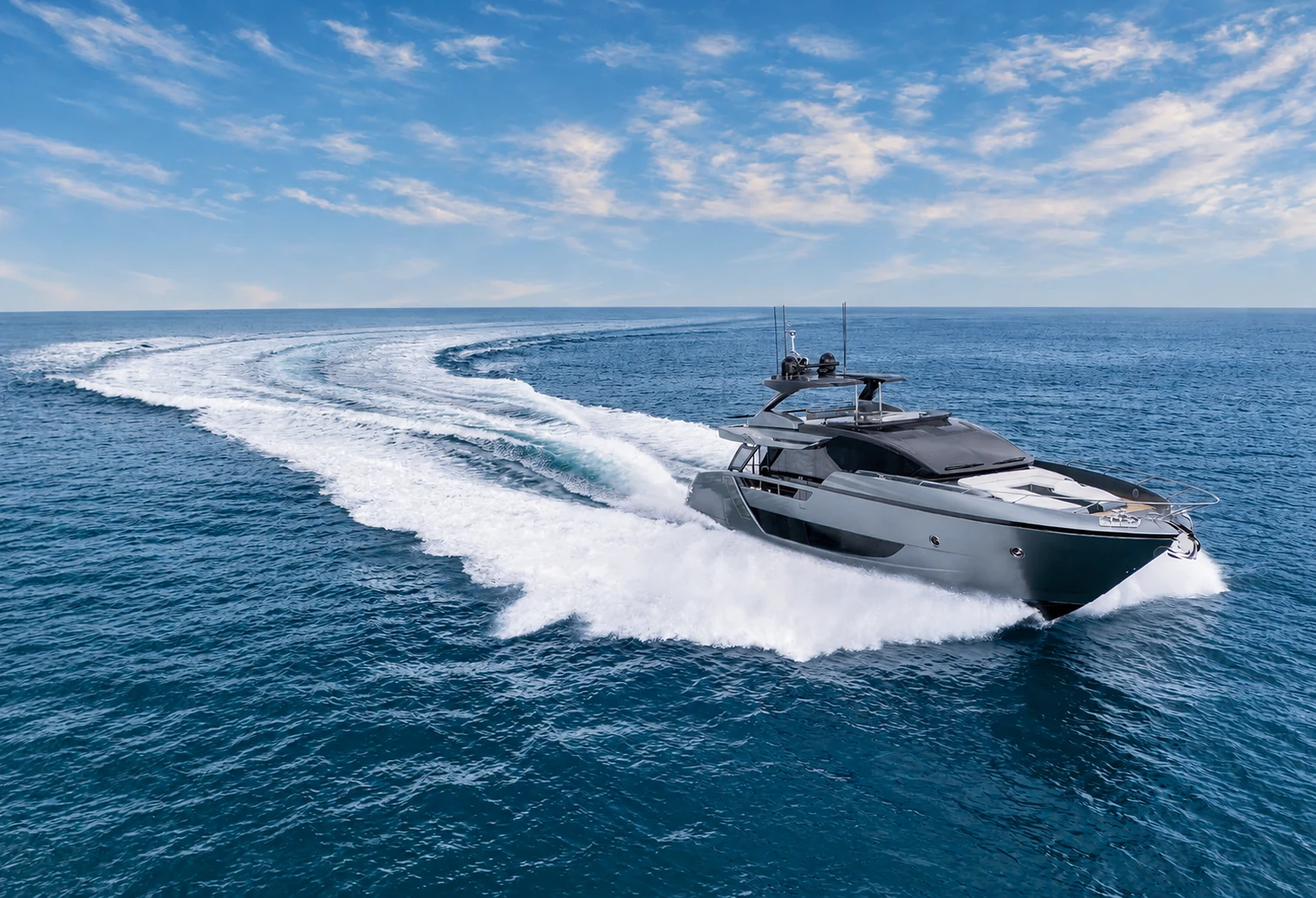
Share how much of the outing you want to spend underway. A photograph of a fast yacht says little about the route possible from its actual berth. The proposed journey, harbour movements and conditions determine how the time can be used. Check whether the quote covers fuel for that plan and how a change of route would be handled.
When cabins matter
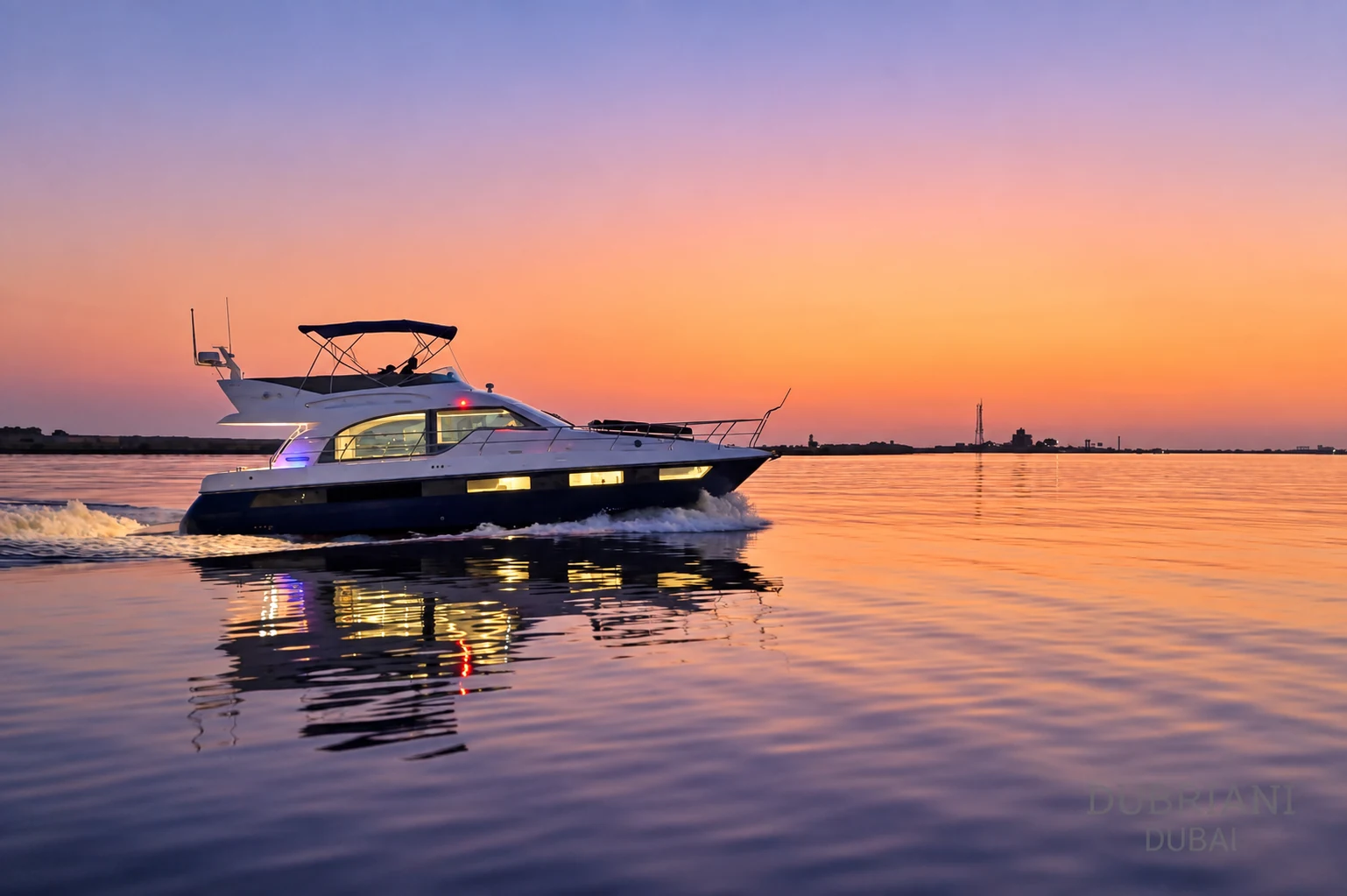
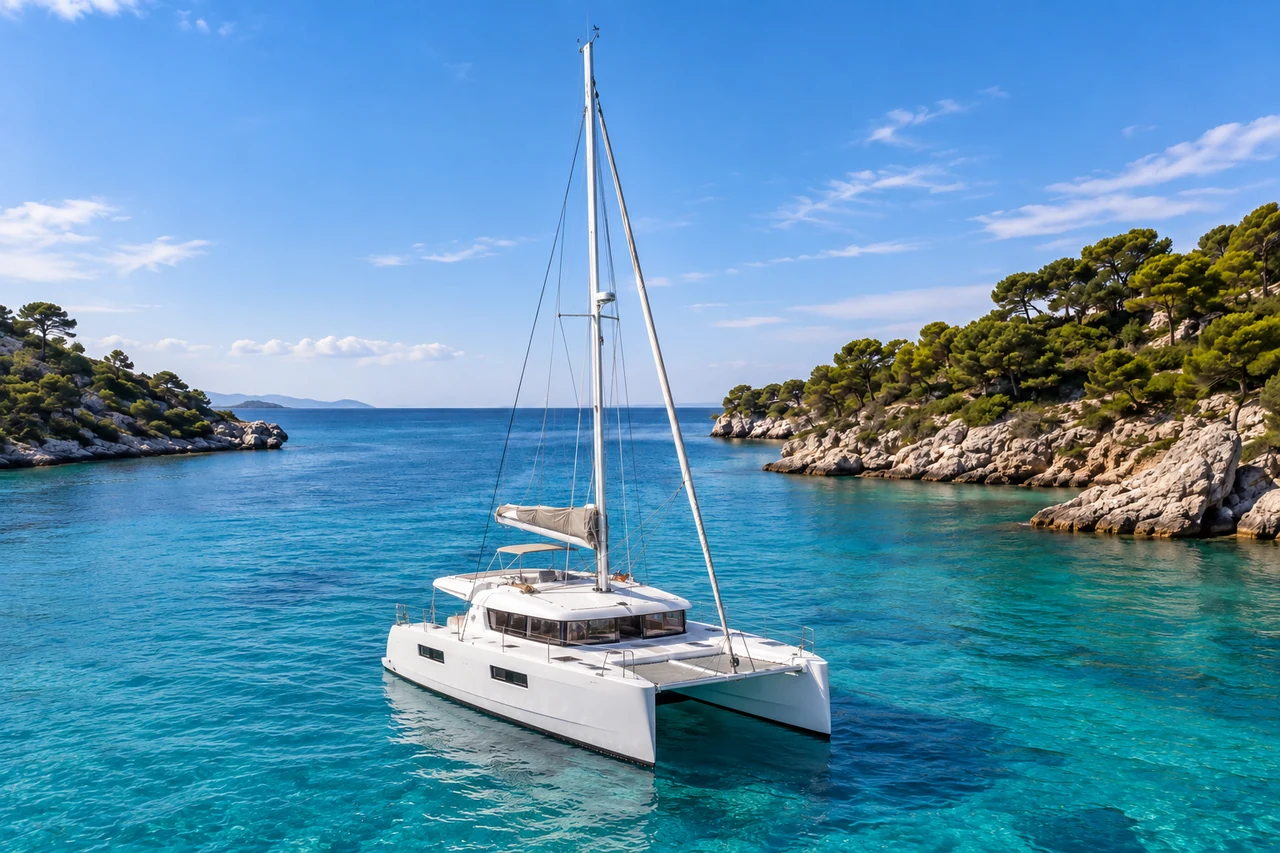
For a daytime charter, a cabin may be useful for changing, but access is part of the agreed arrangement. Overnight plans need a separate check of beds, bathrooms and crew accommodation. If outdoor space is your main priority, compare a day boat or catamaran against the same brief before deciding.
Compare a day boat with a flybridge yacht
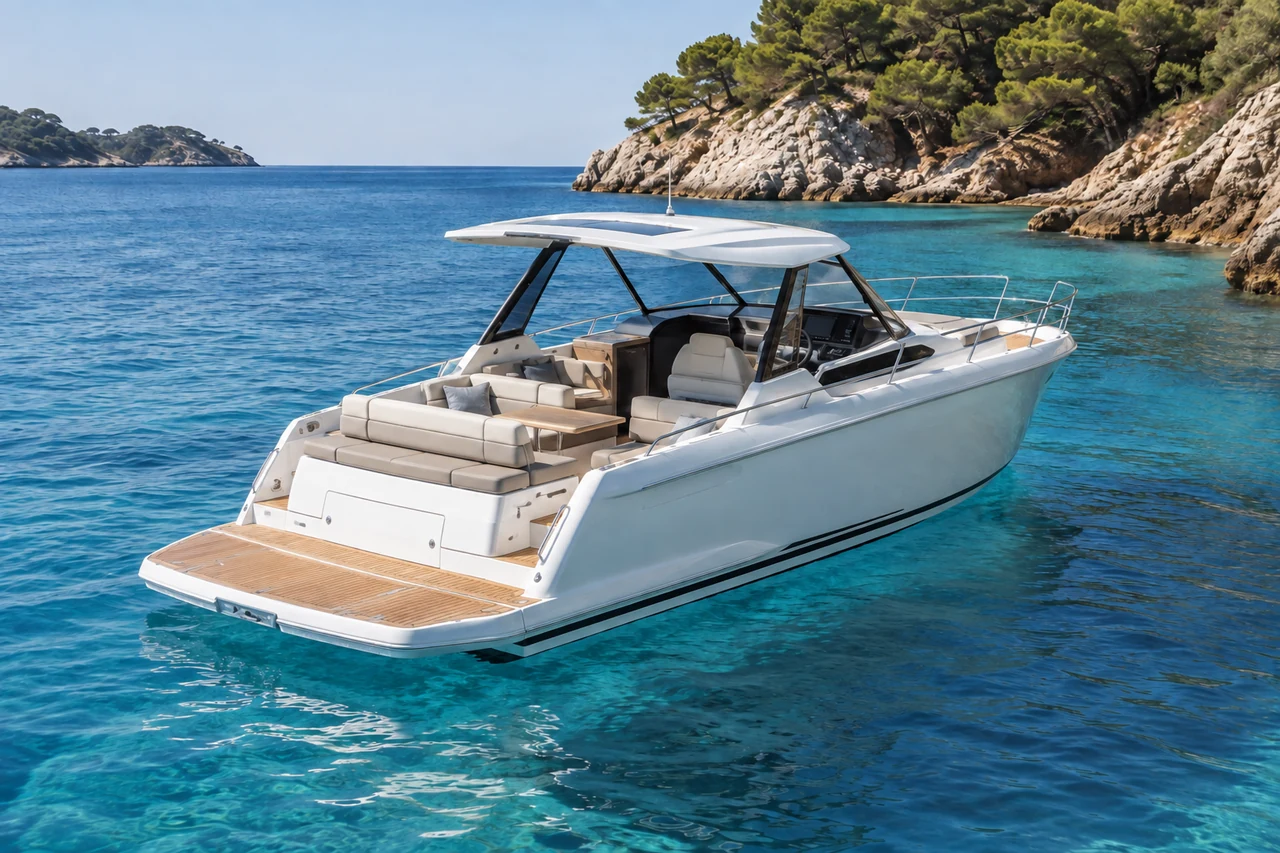
For an outing centred on open-air seating and coastal views, a day boat may offer the spaces you actually use without several levels to navigate. A flybridge yacht can add a second gathering area and an interior retreat, but the benefit depends on whether your party wants to spread out. Neither format is automatically better for a small group.
Picture the day in stages: settling aboard, moving through the harbour, eating and relaxing before the return. Mark where each activity would happen on the boat. That simple exercise exposes an awkward dining setup more quickly than comparing headline lengths.
Look beyond the widest photograph
A wide-angle image can make a salon look generous without showing the route through it. Request views of the access to the bow, stairs to an upper deck and the seating with its table in place. For a group meal, people need to be able to stand and move without everyone else shifting their chairs.
Also distinguish a sunpad from a seat suitable for the period underway. The operator can explain where guests may sit during different parts of the cruise. Count the useful places for your programme, rather than every cushion visible in the gallery.
Give the captain a route priority, not a speed target
If your main wish is to see a particular stretch of coastline, describe that view and the time available. Asking the boat to travel faster is not a substitute for a feasible itinerary. Harbour movements, sea conditions and the agreed operation all affect the passage.
For example, a group that values a leisurely lunch may prefer less distance and a comfortable dining period. Another group may use most of the booking for views while underway. The same motor yacht could suit both, but the schedule and fuel basis need to reflect the chosen day.
Choose the service that matches your hosting role
Some hosts want to bring simple refreshments and spend the outing with friends. Others want someone else to handle drinks, plates and clearing away. Explain which role you expect the crew or catering team to take; having professional crew aboard does not by itself describe a meal service.
Think about the less visible details too: where chilled items are stored, what tableware is supplied and when food will arrive. A clear service arrangement lets you compare two yachts on the complete experience, rather than choosing one and discovering later that hosting requires much more work from you.