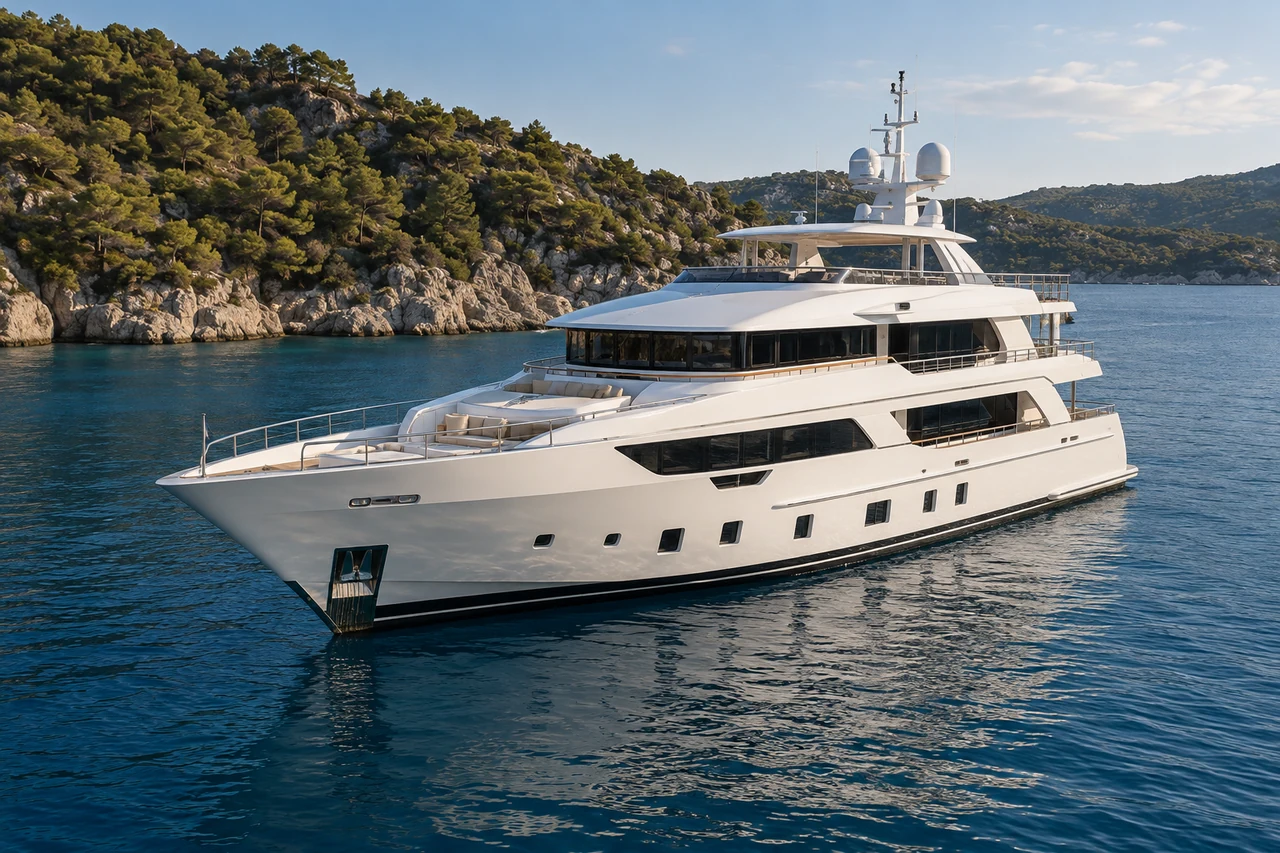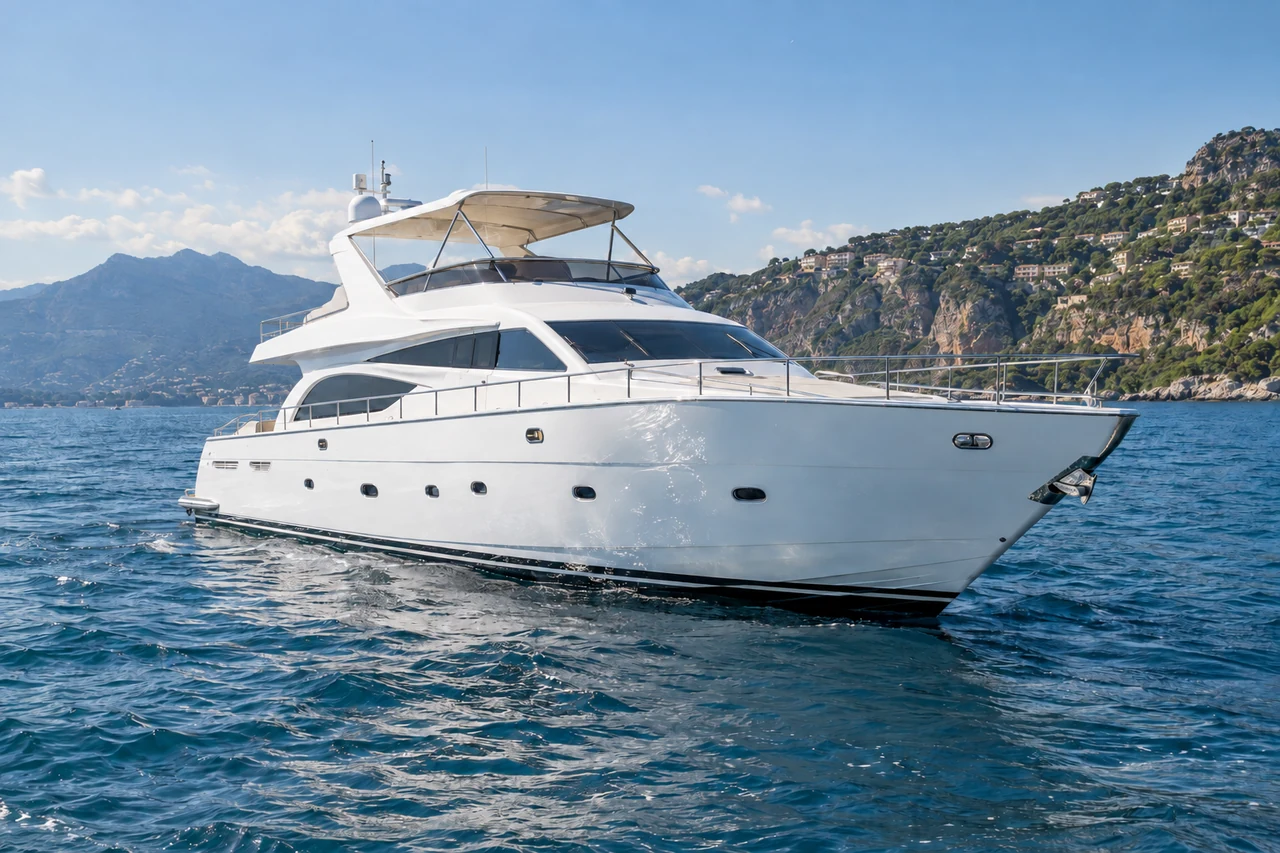
Motor yachts: consider the deck plan
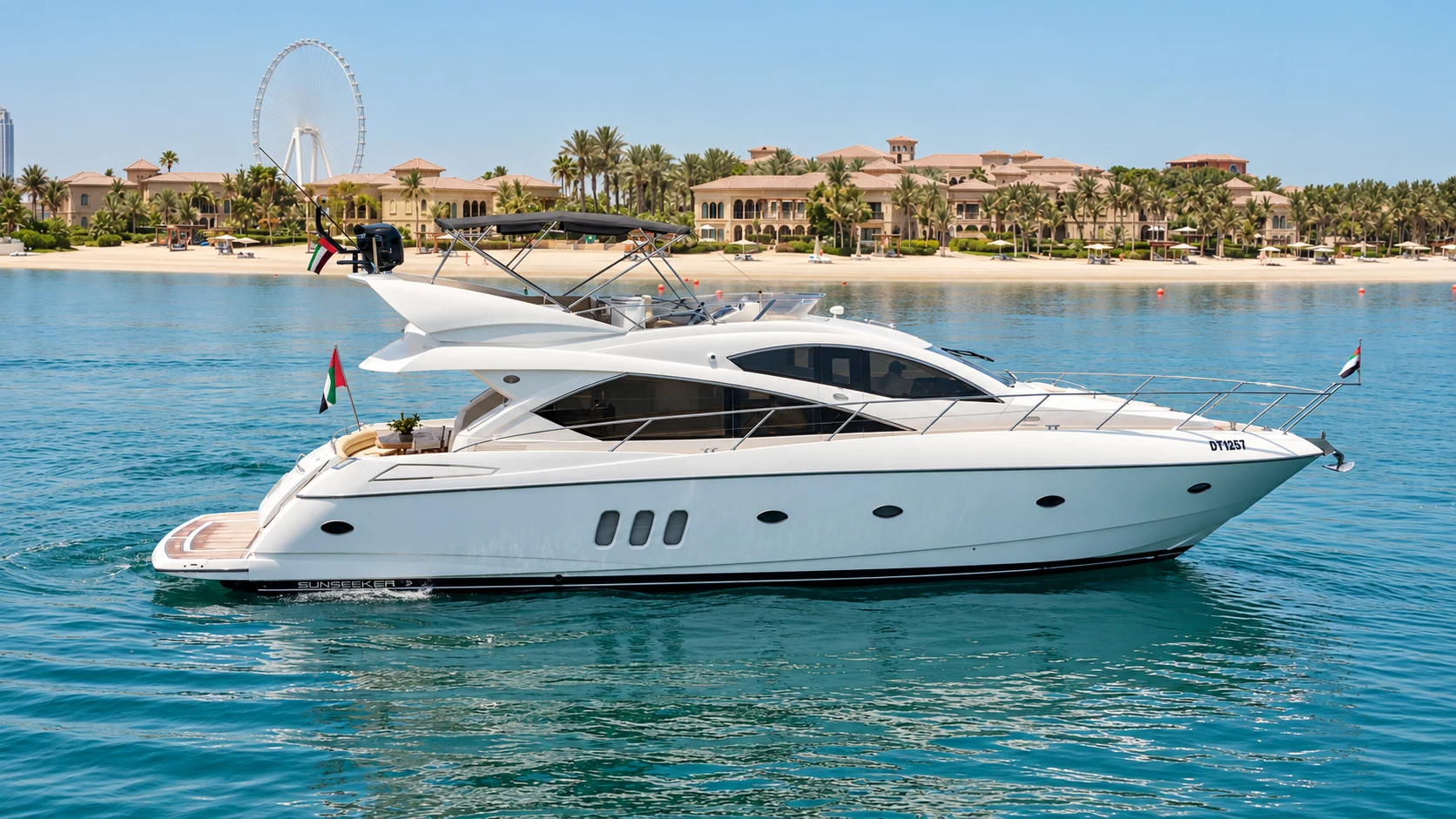
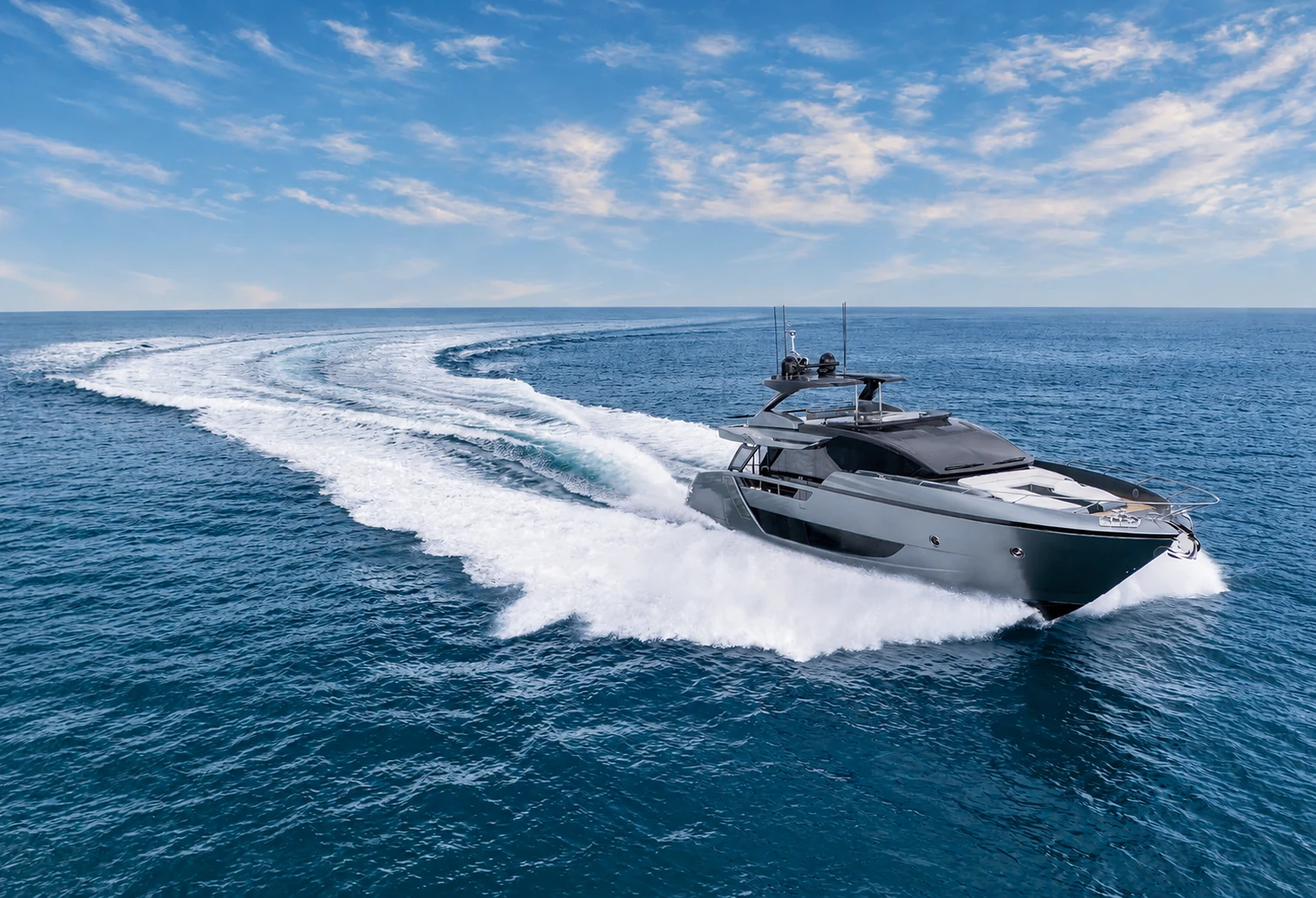
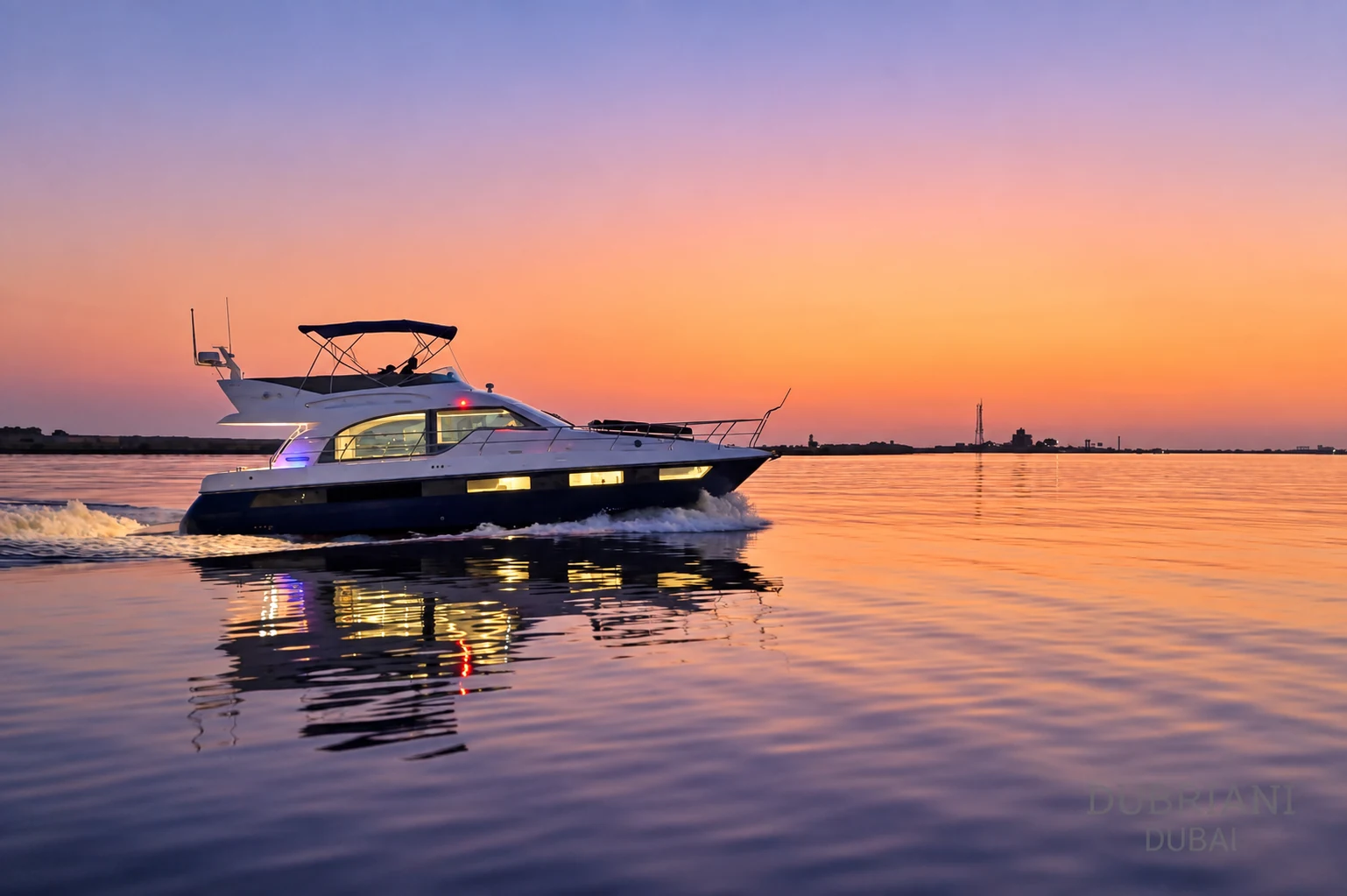
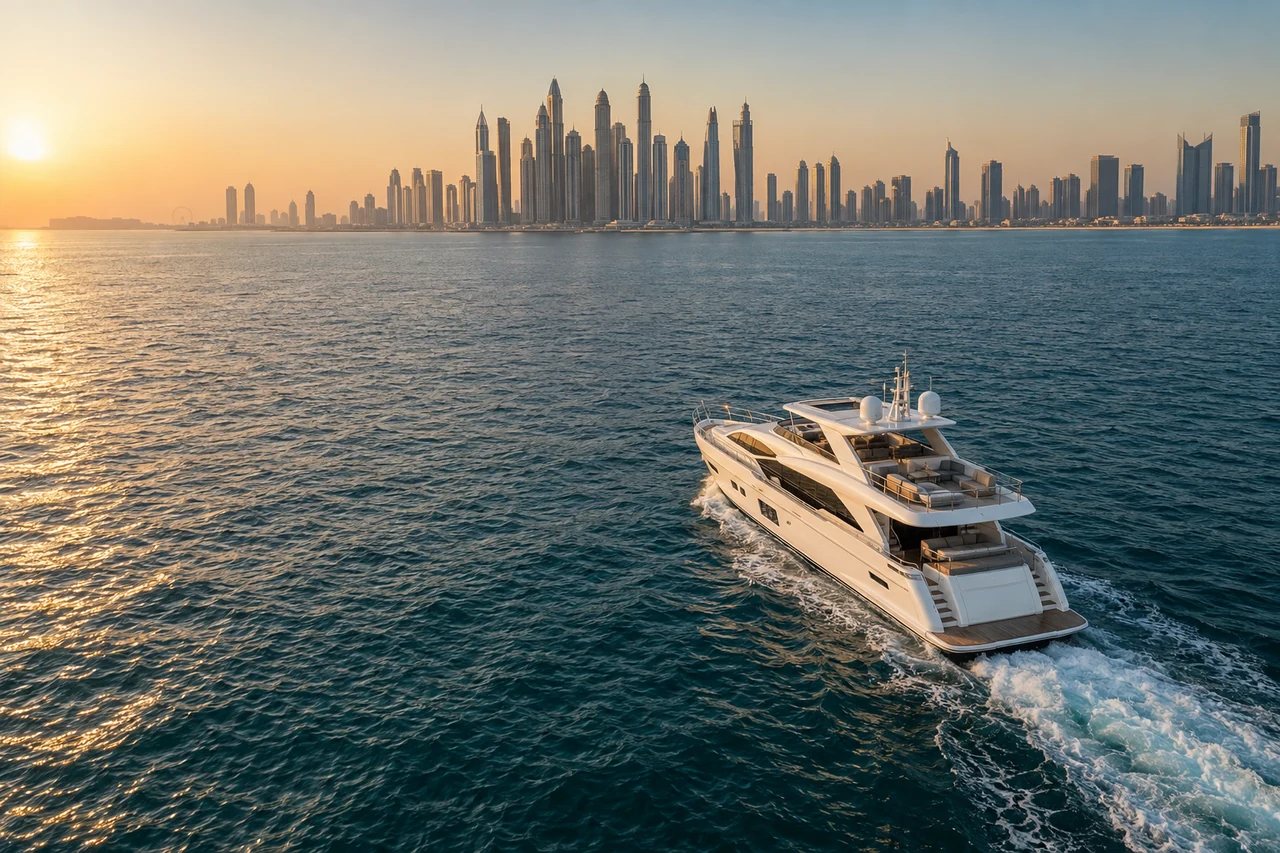
A motor yacht suits guests who want to discuss a route independently of the experience of sailing under canvas. Designs range from open, sporty boats to yachts with several distinct decks. A flybridge can add an outdoor social area, but the stairs and shade need checking.
Look at where your group will sit while cruising and where it will gather for a meal. Confirm the offered vessel’s fuel arrangement and practical cruising plan; a yacht being motor-powered does not tell you the cost or the time needed for a particular route.
Sailing yachts: make room for sailing itself
A monohull sailing yacht puts sails, wind and boat handling at the centre of the outing. It may heel under sail, and the route has to account for conditions as well as your preferred stops. Tell the organiser whether you want to take an interest in sailing or simply enjoy being aboard.
Examine the cockpit, companionway and passage to the bow. Guests who mainly want a large table and easy movement around an open deck may value those details differently from guests who came for the sailing experience.
Catamarans: compare the connected spaces
A catamaran has two hulls joined by a central structure, often creating a broad shared area. Sailing and power catamarans are different choices, so say which experience you want. The cabin arrangement and access between the cockpit, saloon and foredeck vary by boat.
Do not assume that two hulls mean no movement or universal accessibility. Check steps, thresholds, rails and the boarding method. The layout can suit a group well, but the actual vessel needs to answer the group’s needs.
Superyachts: ask what the service includes
The term covers a range of large yachts rather than a single layout or agreed service package. Extra space can create separate guest areas and more scope for living aboard, but equipment, crew roles and dining arrangements must be confirmed.
For a longer stay, discuss cabin allocation and the pattern of meals, shore visits and time aboard. A specification may list leisure equipment; ask what is available during your charter and whether its use has conditions or requires an additional arrangement.
Day boats: put the outing first
A day boat concentrates on the hours spent outdoors, with the particular design determining shade, seating and shelter. It can be worth considering for a focused coastal outing when extensive accommodation is not a priority.
Check toilet facilities, dry storage and access to the water. A hardtop does not shade every seat throughout the day. If your plans include lunch or guests who need regular shelter, look at the usable arrangement instead of relying on the boat’s length.
Turn the comparison into a short brief
List your guests, Dubai dates and duration, followed by the three features that matter most. Include overnight needs, access requirements and whether you prefer more time underway or more time stopped. You can request more than one yacht class if you have not settled the choice.
Compare the proposed boats against that same brief. Capacity, price and inclusions belong to the actual charter proposal, not to a general class description.
Compare the same activity across two types
For a lunch, compare the table and shaded seats on the motor yacht and catamaran you are actually offered. For a swim, compare the route to the platform and the way guests climb back aboard. A category description is useful, but these physical details determine whether the two boats answer the same brief.
For an outing centred on sailing, ask how that experience will be provided. A mast in a photograph or the name of a category does not confirm time under sail, participation or instruction. The skipper arrangement and operating plan need to match what the group expects.