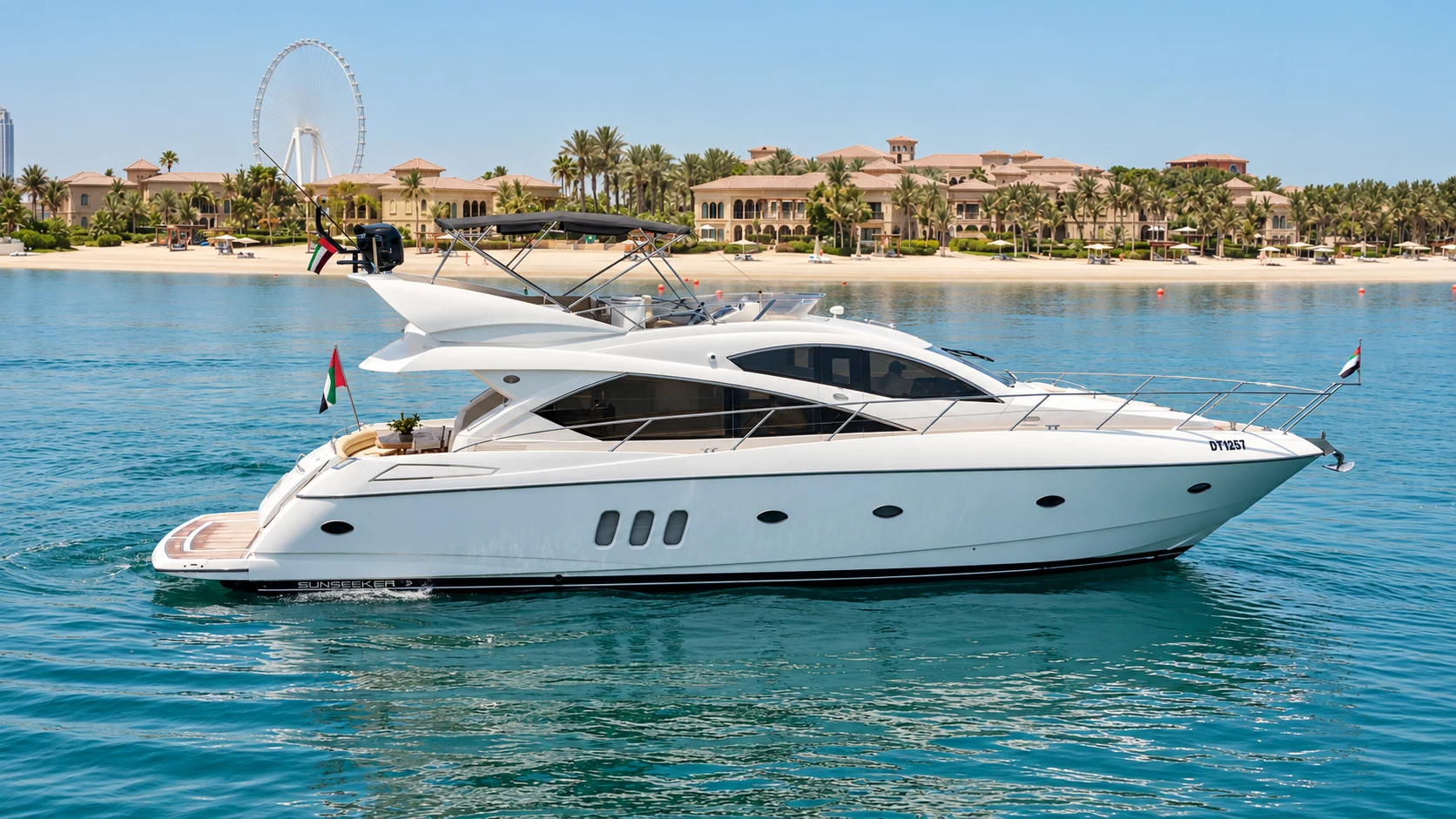
Two locations to confirm
A waterside address is not necessarily a usable passenger landing. The operator needs to check permission, berth suitability and the boarding method at both ends. If you want to arrive at a hotel or event venue, confirm the actual landing arrangement before relying on it in the day’s schedule.
Guests, bags and assistance
Include luggage, child equipment and any need for help moving between shore and yacht. Storage and passenger capacity are separate questions. Ask for the practical route from the drop-off area to the berth and from the arrival berth onwards; a sea transfer may still involve a road connection.
Quote the whole movement
A one-way guest journey can still require the yacht to reposition before or after it. The total may therefore differ from an equivalent round-trip cruise. Request the full cost, proposed timing and terms for delays or changes rather than treating a leisure-charter hourly rate as a transfer fare.
Start with two usable waterfront points
A transfer needs a place to board and a place to disembark that the vessel is allowed and able to use. A hotel name, beach or restaurant address is only an initial location request. Share the exact venues and ask the operator to establish the access arrangements at both ends.
Include the journey from road transport to the boat and from the boat to your final destination. A waterfront arrival may still involve walking or another vehicle. Assess the whole door-to-door plan, particularly for guests with luggage, children or assistance needs, rather than choosing by the sea view alone.
Describe luggage as carefully as passengers
Guest capacity does not explain how much luggage a boat can carry and store appropriately. List suitcases, pushchairs, equipment cases or other bulky items, including approximate dimensions when relevant. Photographs can help the operator understand unusual items without guessing.
Ask where belongings will be kept and how they are handled during boarding. If guests are wearing formal clothes or going straight to an event, they may also need somewhere to keep jackets or smaller bags. A transfer boat should suit the people and their possessions together; an attractive leisure layout may not be the best fit for a heavily packed group.
Separate transport deadlines from a scenic wish list
If arriving at a particular time is essential, make that the lead requirement. A transfer connected to an event or onward journey should be assessed differently from a relaxed cruise with an optional one-way finish. Explain which parts of the schedule are fixed and which can move.
The operator should discuss the suitability of a water transfer and the arrangements if it cannot operate as planned. Avoid relying on an unconfirmed marine journey for a tight connection. Extra sightseeing is worthwhile only when it fits the agreed transport plan, rather than putting pressure on the destination arrival.
Coordinate both ends of the journey
Nominate a lead contact for the departing group and, where relevant, a host at the destination. Everyone should have the same meeting instructions and know whom to contact if a guest is missing or the shore arrangements change.
For a return transfer, specify whether the boat waits or a separate collection is intended. Those are different operating requests and can affect the overall arrangement. If the group splits after arrival, organise that on land rather than adding several informal drop-offs. Clear endpoints make the service easier to assess and keep guests from expecting a flexible water taxi on demand.