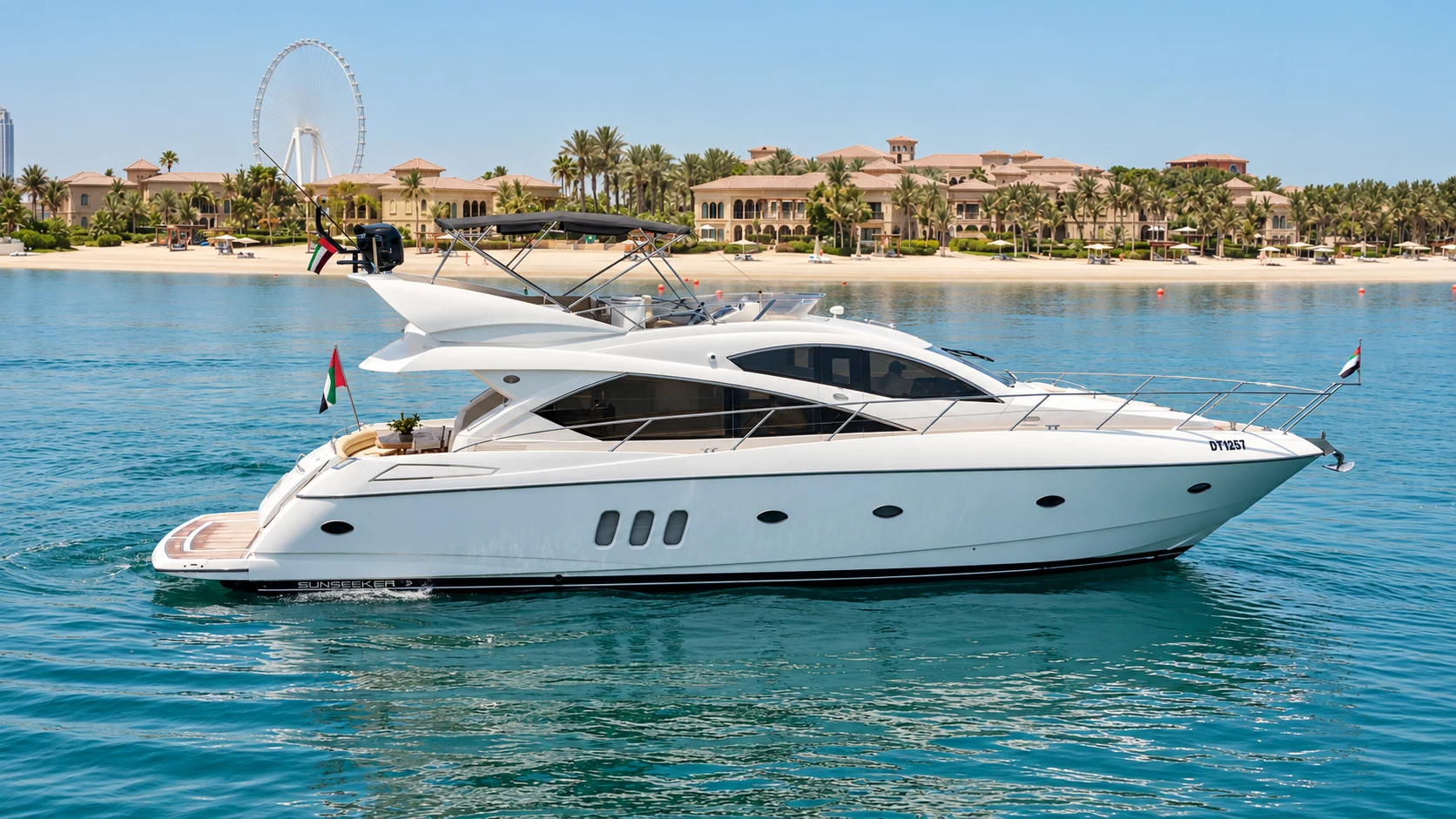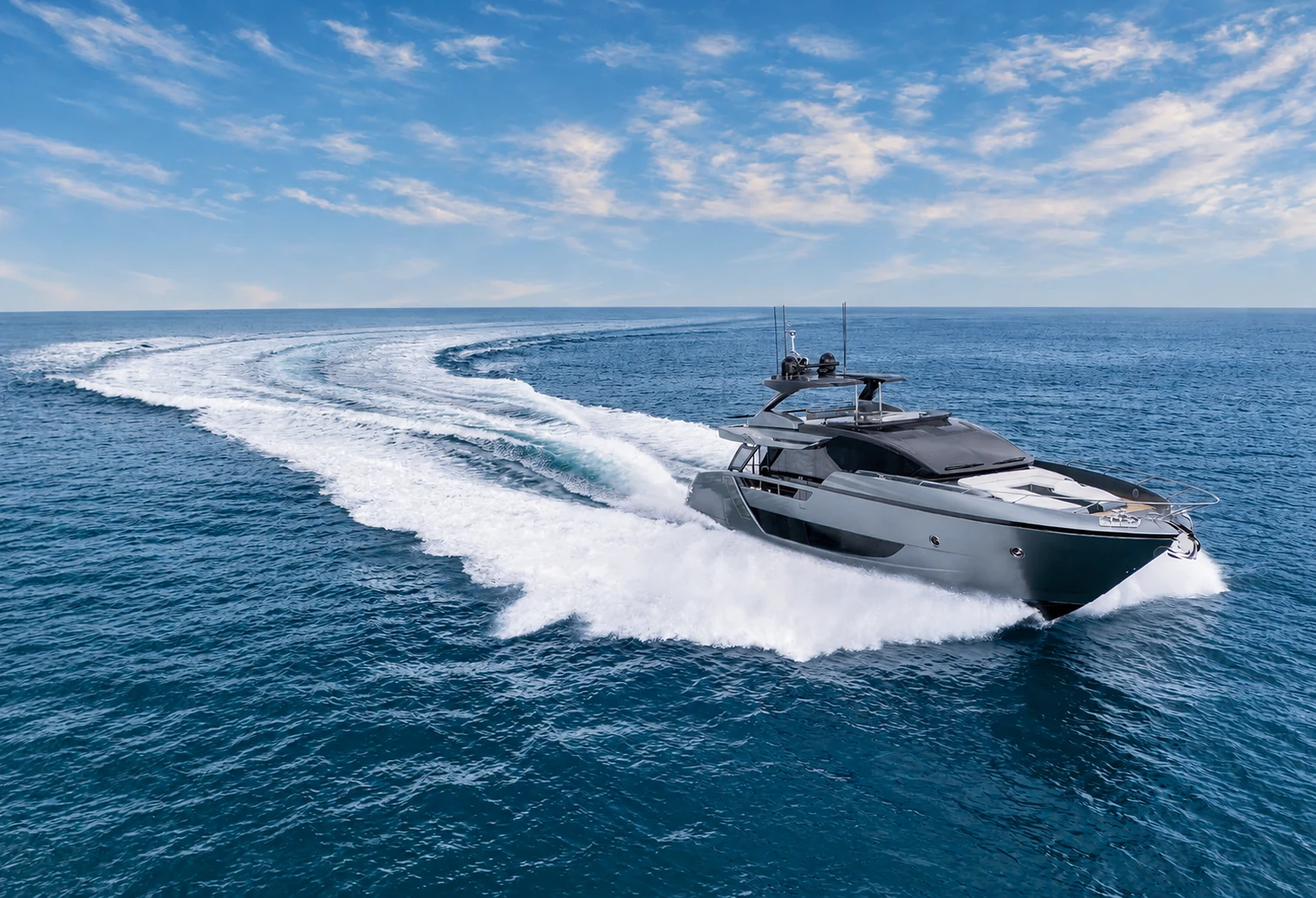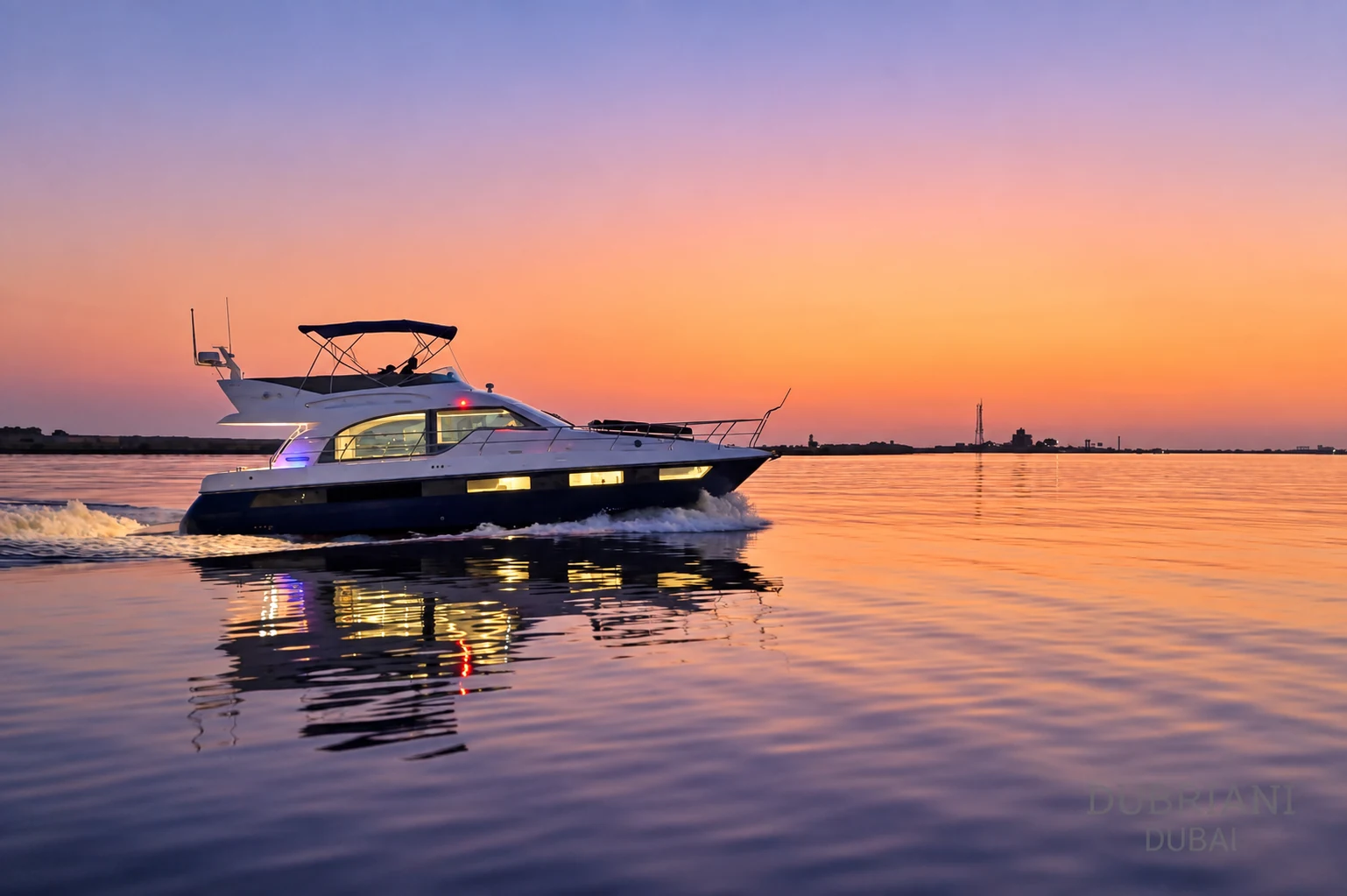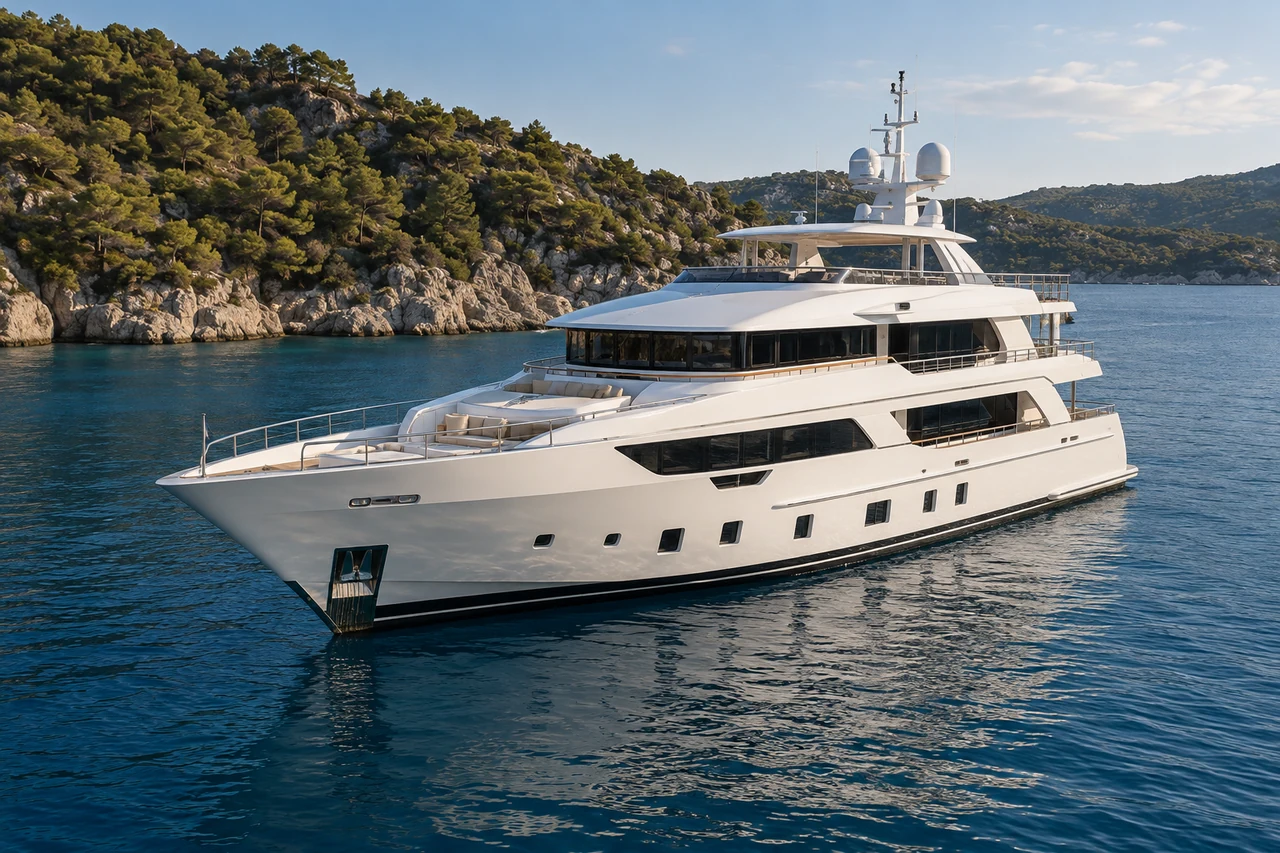
Check the working space
Ask which decks and interiors can be used, where equipment can be kept and whether guests have a place to change. Include photographers, stylists and assistants in the headcount. A yacht’s guest limit and access to working areas still apply during a shoot.
Count setup within the booking
Equipment delivery, boarding and setup can take time before the first photograph. Explain whether you need the vessel underway, at anchor or alongside and request the appropriate arrangement. Commercial production requirements and any equipment-specific permissions need checking; a charter booking does not automatically cover drone use or unrestricted filming.
Light, backgrounds and a realistic shot list
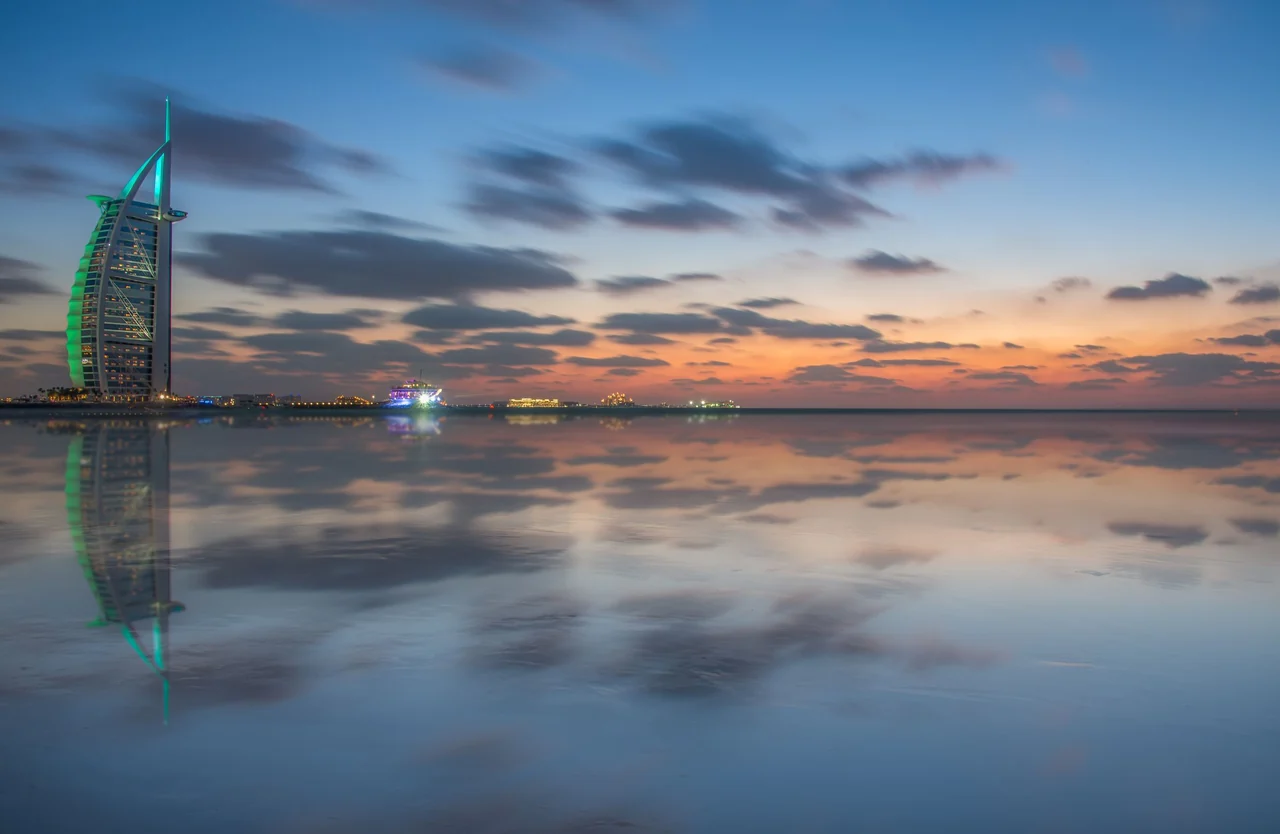
Choose the essential shots first. A desired landmark, sunset and several outfit changes may require more time than a brief cruise. The captain controls safe positioning and the weather cannot be fixed. Agree what can be changed if the conditions differ from the original plan.
Build a short shot list around real positions
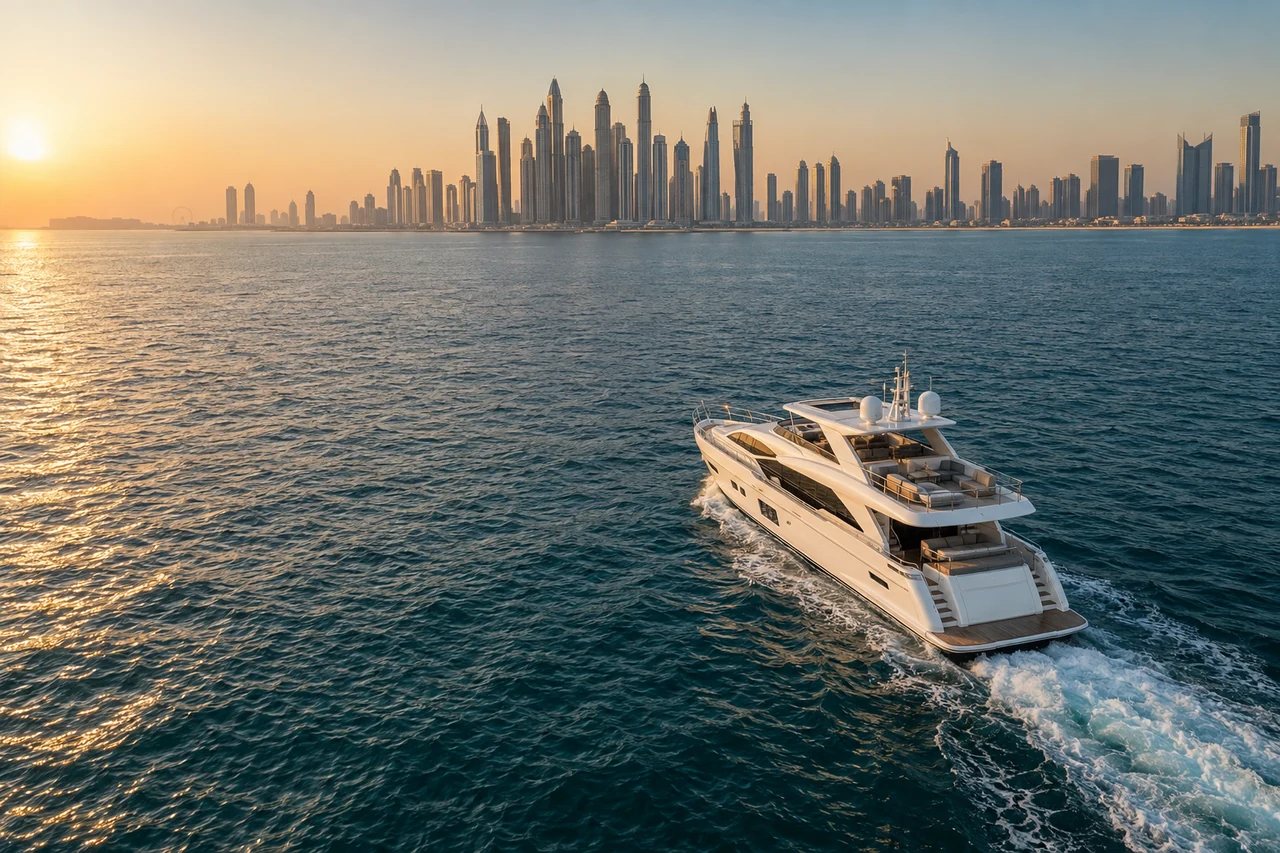
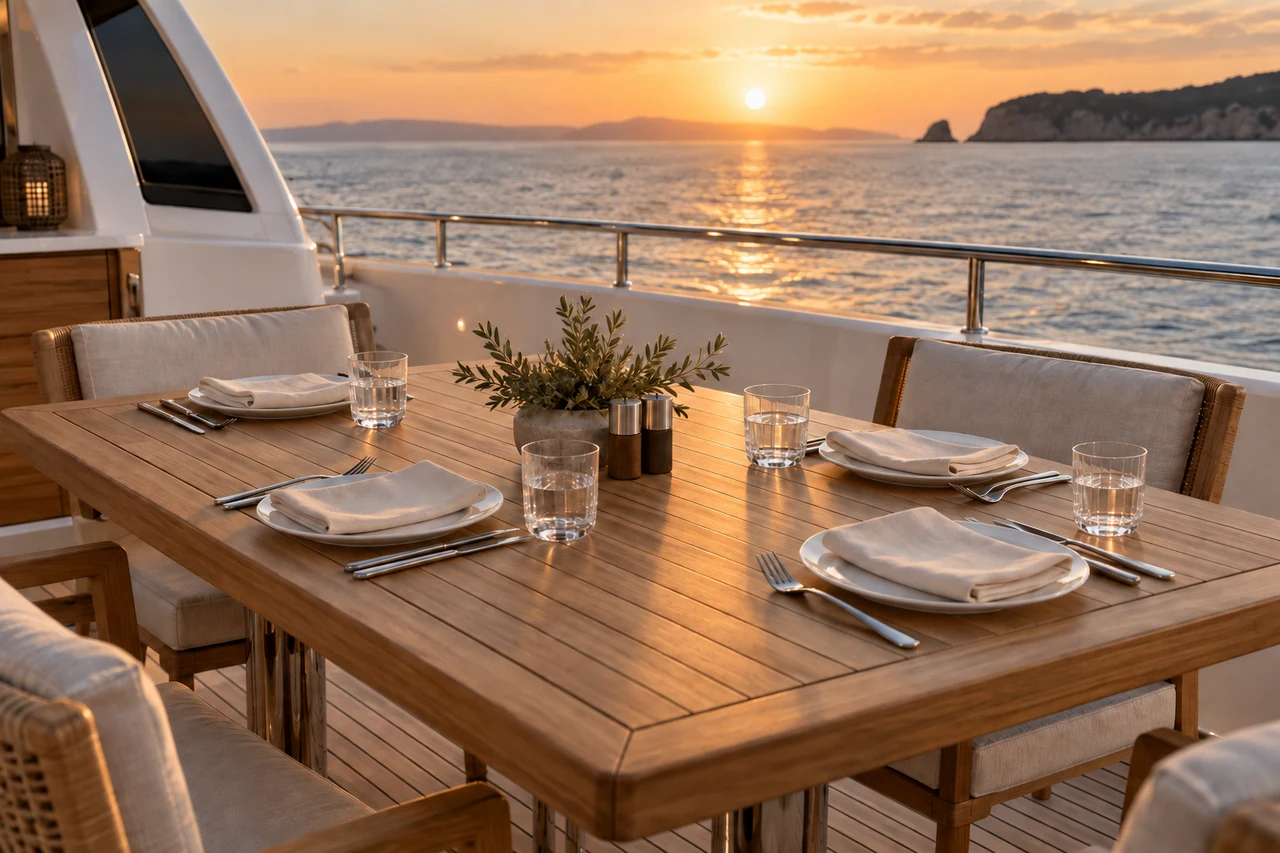
Describe the pictures you need before choosing the yacht: a couple seated together, a fashion look on an open deck, a product on a table or a wide group portrait. Each needs a different amount of space and a different relationship between camera and subject.
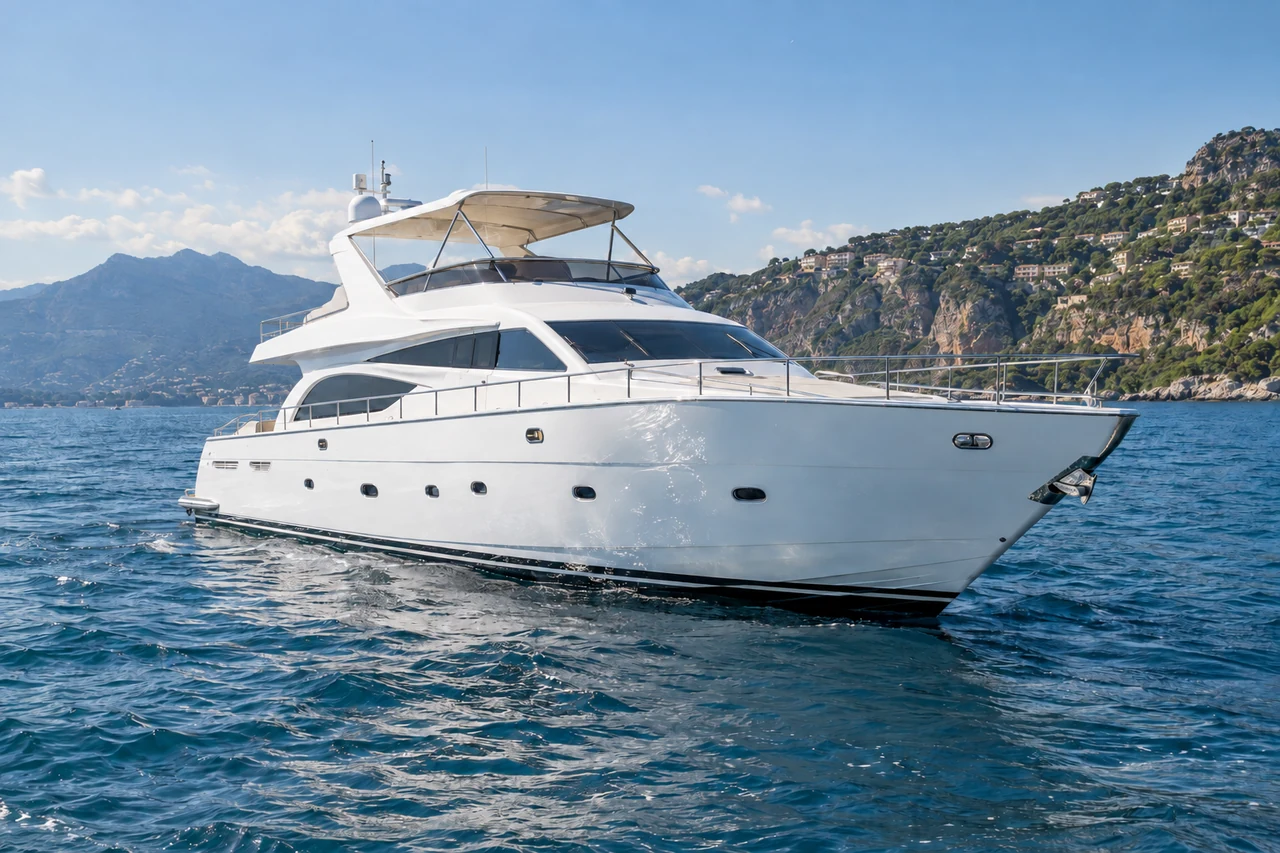
Ask for recent images of the exact areas you intend to use, including the photographer's likely position. A beautiful bow photograph may tell you little about room behind the camera. Rank the essential shots, then add optional ideas. This gives the team a useful brief if the route, conditions or available deck space limit the original plan.
Allow space for the people behind the camera
A shoot can involve a photographer, assistant, stylist, makeup artist and client representative as well as the people appearing in the images. Count the whole team when enquiring and explain what each person brings. Equipment cases and clothing rails need storage that does not obstruct movement or crew access.
Decide who will coordinate the shoot aboard. One person should pass requests to the captain, while another may manage clothing or subjects if the team is larger. A clear division helps prevent several people giving conflicting instructions when the boat is approaching the desired view.
Plan wardrobe and equipment changes
Changing clothes, refreshing makeup and resetting equipment all take time away from shooting. Ask whether a suitable private space is available and how it can be used. Do not assume every cabin shown in the listing is included as a dressing room.
Prepare clothing in the order it will be used and keep bags consolidated. Discuss lights, stands, cables or other production equipment in advance; the operator needs to understand how you intend to set them up. If the shoot can work with a smaller kit, explain that option too. Practical preparation often creates more usable shooting time than adding another complicated location.
Separate leisure photographs from a production booking
Tell the operator whether the images are personal memories or material for a commercial campaign. Organised productions can involve location approvals and filming permissions beyond ordinary guest photography. The Dubai Film and TV Commission's current guidance is a relevant starting point for production planning.
A yacht booking does not grant permission to use every waterfront location or operate a drone. Share the intended activity with the production team and establish responsibilities before committing to the shoot. Where approvals or access are unresolved, keep the creative plan adaptable rather than promising a particular scene to a client.