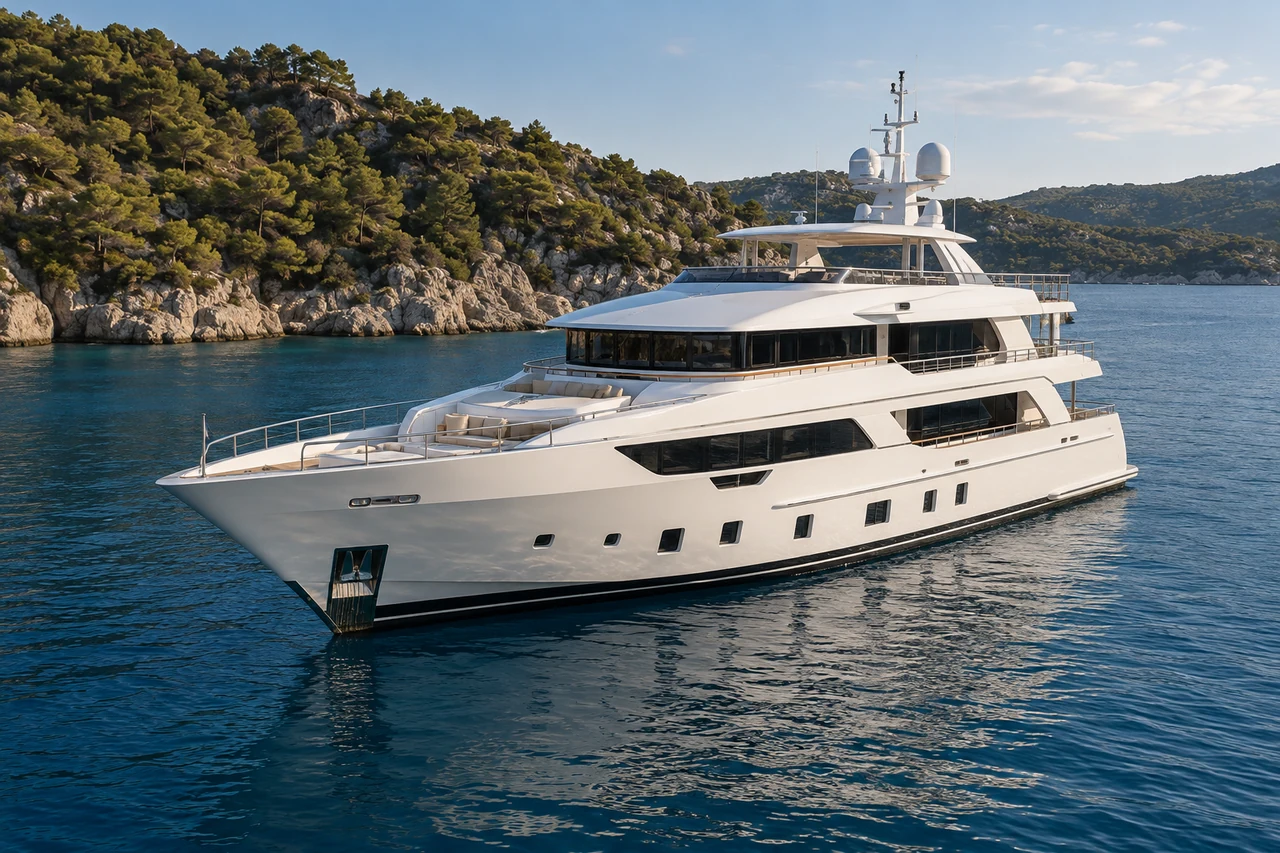
Look for circulation as well as seating
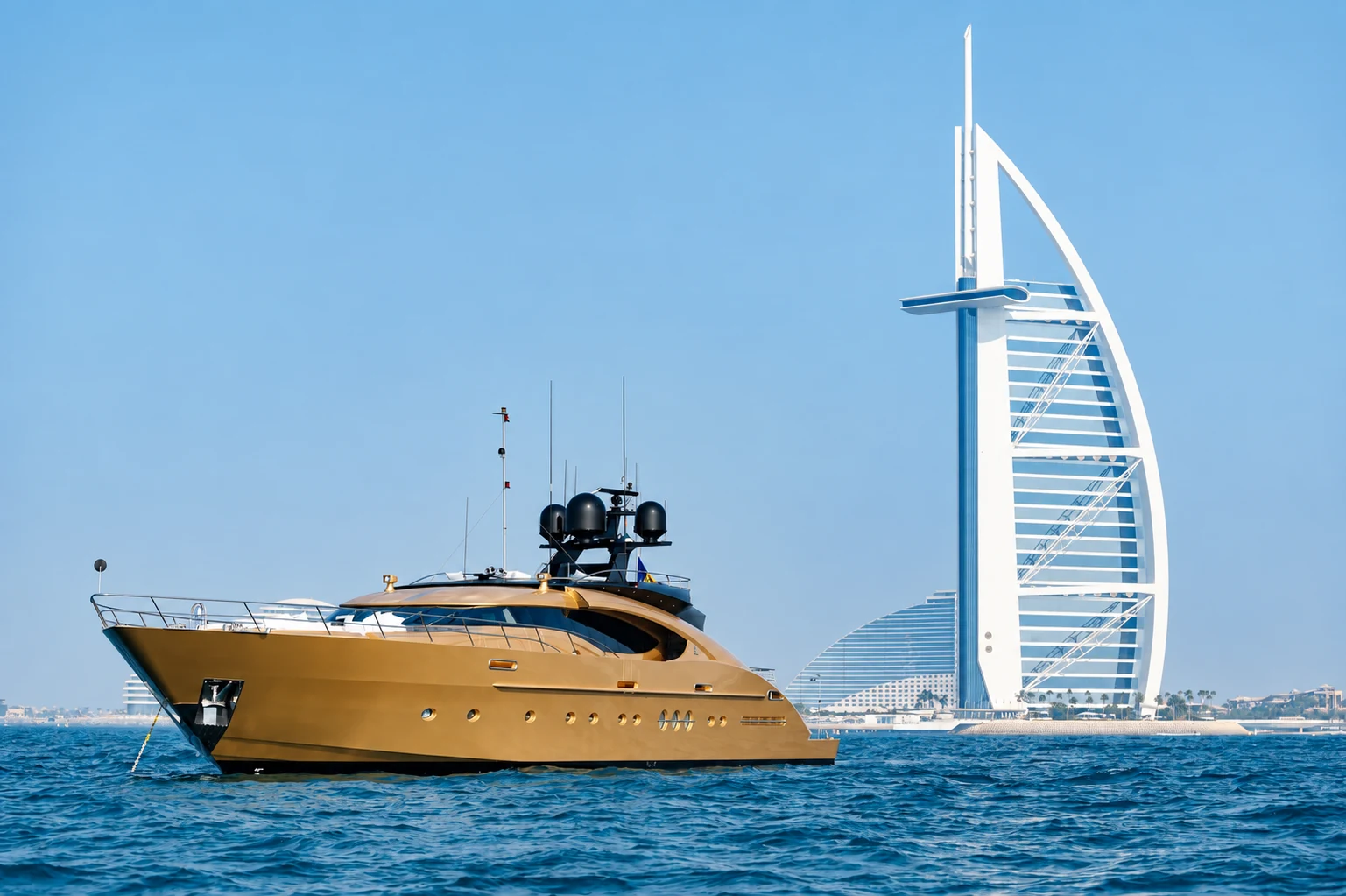
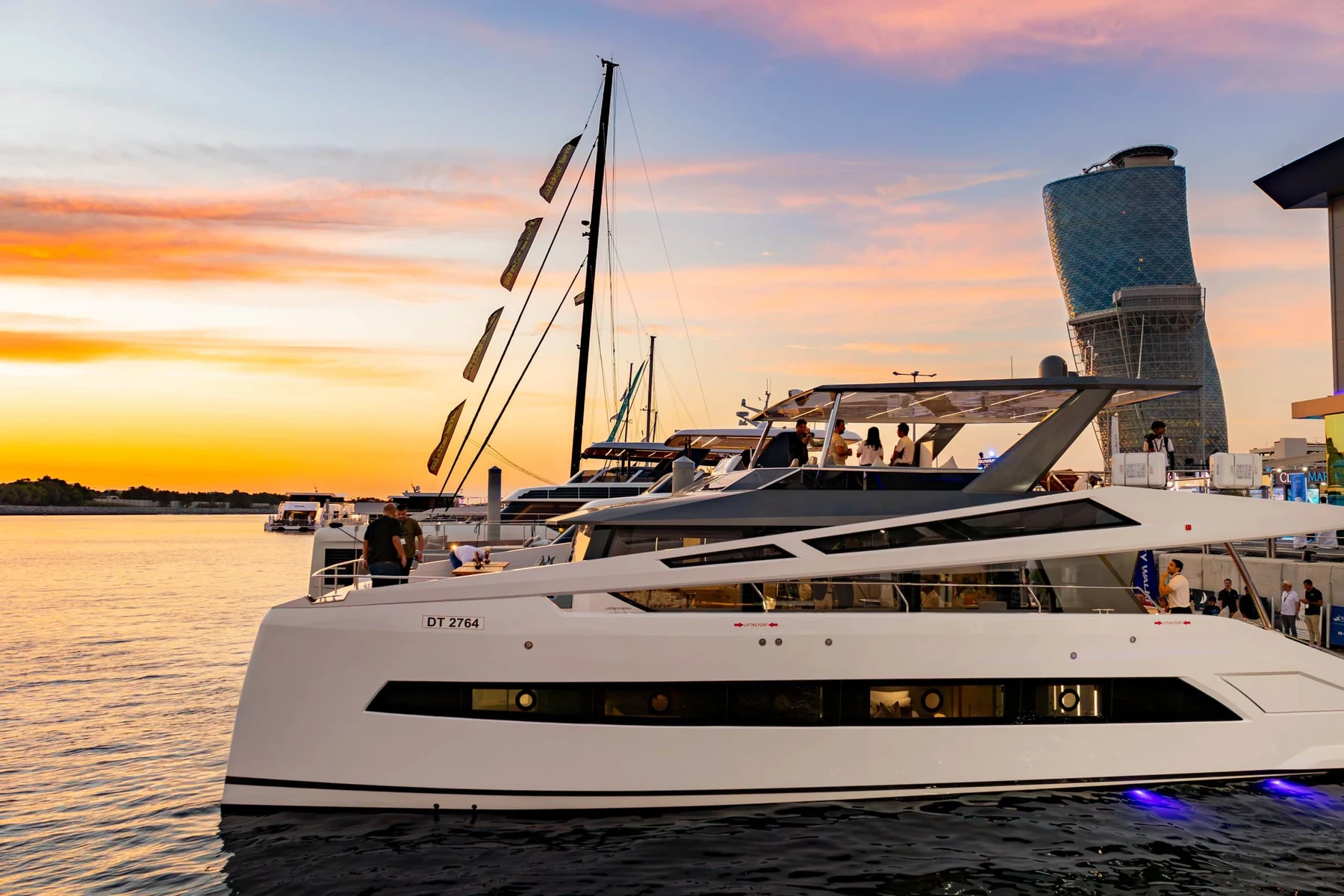
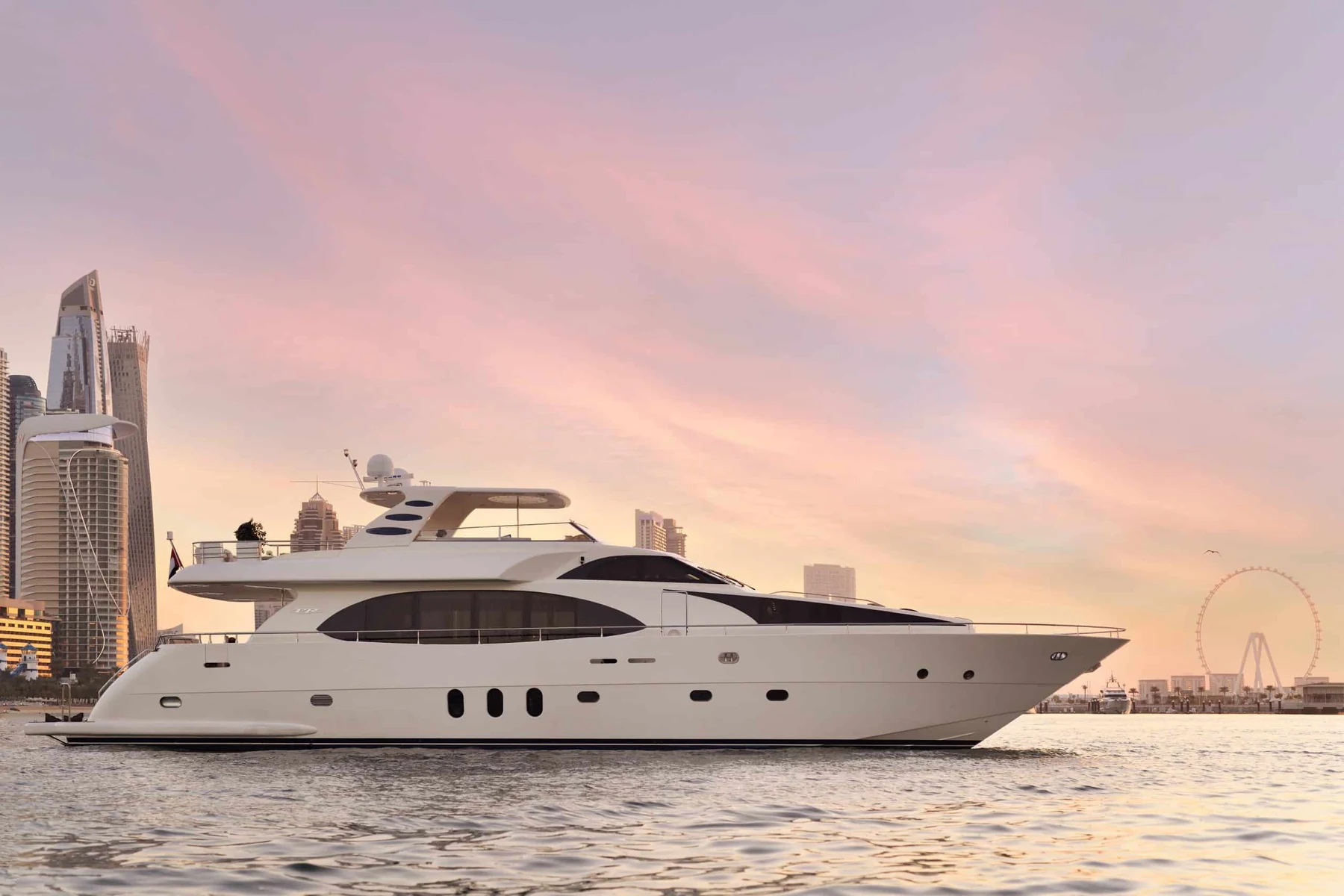
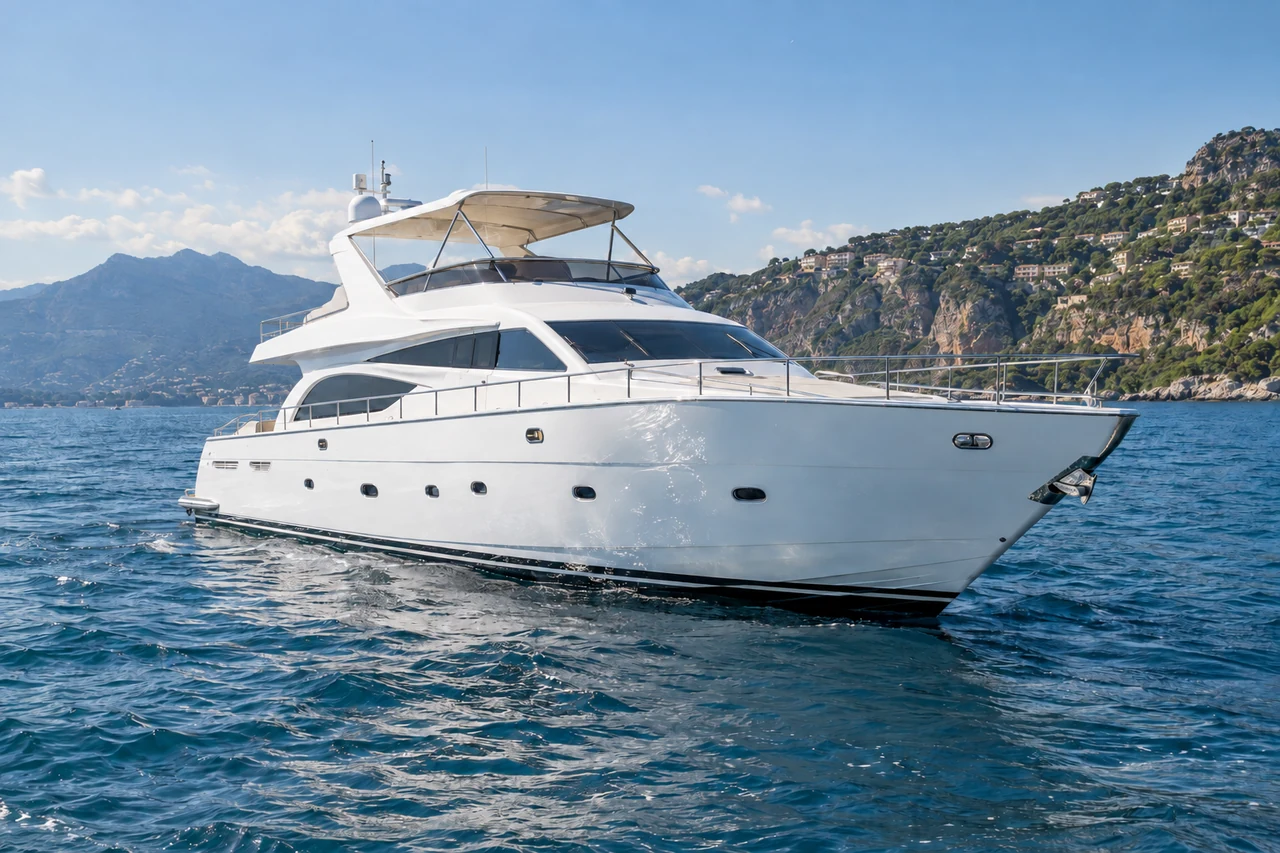
Imagine the group moving from a welcome drink to the main gathering area. A narrow passage or a single serving point can shape how that feels. Ask where people will sit in the shade, where food will be served and whether everyone can gather without blocking access. A vessel-specific layout gives you a better basis for the decision than a guest number printed beside an exterior image.
Choose the food format early
Twenty people sharing snacks need a different setup from twenty people expecting a plated lunch. Describe the service style before requesting catering prices. The actual table arrangement, serving space and staff access must fit the yacht. Include dietary requirements and whether everyone will eat at once. Those details help the team propose a menu and schedule that support the event without repeatedly rearranging the deck during the cruise.
Confirm the correct capacity and schedule
The operator must approve twenty guests for the exact yacht and format, whether cruising or hosting alongside. Neither length nor a dockside capacity figure proves suitability for a day at sea. Once the vessel is confirmed, agree the arrival instructions, charter period and total quote. Nominate one organiser to collect guest information and share the final meeting point, including any requirements communicated by the yacht team.
Give the gathering a clear centre
For a group of twenty, decide where everyone should be for the main part of the event. It might be a welcome, a meal or a short speech. Ask how that moment will work on the proposed yacht, including where the host stands and whether guests can see and hear without crowding a passage.
The rest of the outing can be more informal. Guests may prefer to sit in smaller groups, but they should be able to find the central activity when it begins. A simple programme with a recognisable gathering point can make the event feel connected across a yacht with several guest areas.
Organise food around the way people will gather
Consider how guests reach the food, what they do with a plate afterwards and where used items go. A buffet or sharing service is not automatically easier than a seated meal; each needs a workable arrangement. Ask the caterer and yacht team to explain the proposed setup for twenty people.
If the menu includes several dietary options, decide how guests will identify them and who can answer questions about the food. Pass the requirements together before the menu is finalised. The host should be able to enjoy the event rather than personally checking every plate or directing guests between serving points.
Decide whether the group must stay on one vessel
A single yacht gives the group one shared setting and one programme. If suitable proposals do not match the budget or layout you want, you can also ask whether a different format is worth considering. Be clear about what you would lose if people were separated.
Two boats would mean separate guest arrangements, operating teams and boarding instructions. Guests could not simply treat them as two rooms of the same venue. For an event built around one meal or presentation, splitting the group may undermine the purpose even if each individual vessel is attractive. Judge any alternative against the occasion, not only the combined passenger numbers.